History
World War II (WW2): History, Causes, Major Events, and Global Impact in 2026

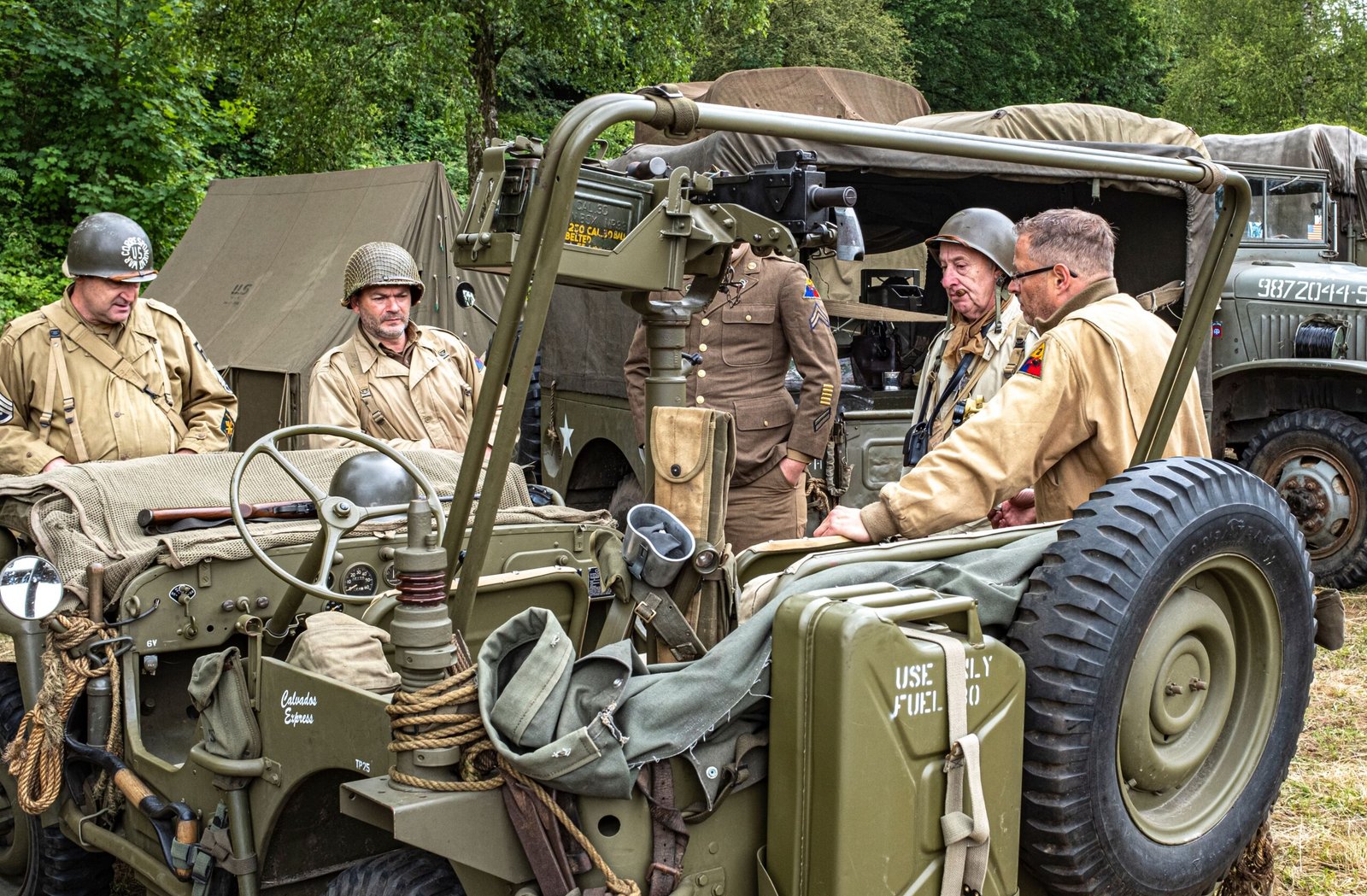
World War II (WW2) was one of the most significant and devastating conflicts in human history. Fought between 1939 and 1945, it involved countries across Europe, Asia, Africa, and the Pacific, transforming international politics, economies, societies, and military technology. The war was fought mainly between the Allied Powers and the Axis Powers, with millions of soldiers and civilians affected by combat, occupation, persecution, forced displacement, famine, and genocide.
Understanding WW2 history helps us understand how political extremism, aggressive expansion, economic instability, and failures of international diplomacy can contribute to global conflict. It also explains the origins of the United Nations, the emergence of the United States and Soviet Union as superpowers, and the beginning of the nuclear age. In 2026, World War II remains an important subject for students, researchers, teachers, and anyone interested in modern history. This article explores the causes, major events, key countries, the Holocaust, the end of the war, and its lasting effects.
What Was World War II?
World War II, also written as WW2 or WWII, was a global armed conflict that lasted from September 1, 1939, to September 2, 1945, depending on the formal surrender dates used to mark its beginning and end. Germany’s invasion of Poland on September 1, 1939, prompted Britain and France to declare war on Germany two days later. The conflict expanded as Germany, Italy, and Japan pursued territorial and political ambitions across different regions.
The Allied Powers included Britain, the Soviet Union, the United States, China, France, and numerous other countries and resistance movements. The Axis Powers were led by Nazi Germany, Fascist Italy, and Imperial Japan. These alliances changed in important ways during the conflict, and many countries contributed troops, supplies, intelligence, industrial production, or resistance efforts.
WW2 was different from many earlier wars because of its worldwide scale and the extensive mobilization of civilian populations and economies. Fighting took place across land, sea, and air, while civilians experienced bombing, occupation, forced labor, displacement, and shortages. Historians estimate that tens of millions of people died, with total estimates commonly ranging from about 70 million to 85 million. Exact figures remain uncertain because records were incomplete and deaths occurred in many different circumstances.
The war reshaped borders and governments, weakened several European colonial empires, and established a new international order. Its consequences continue to influence diplomacy, security policy, historical education, and debates about human rights.
Major Causes of World War II
World War II did not begin because of a single event. It developed from a combination of political instability, aggressive nationalism, economic hardship, territorial expansion, and the failure of international diplomacy. The First World War had ended in 1918, leaving Germany facing severe political and economic difficulties. The Treaty of Versailles imposed territorial losses, military restrictions, and reparations on Germany. These conditions contributed to resentment, although historians emphasize that the treaty alone does not explain the rise of Nazism or the outbreak of another world war.
The Great Depression, which began in 1929, worsened unemployment and social insecurity in many countries. In Germany, Adolf Hitler and the Nazi Party exploited public frustration through propaganda, antisemitism, extreme nationalism, and promises of national recovery. After Hitler became chancellor in 1933, the Nazi government dismantled democracy and expanded its armed forces.
Meanwhile, Japan pursued military expansion in East Asia, invading Manchuria in 1931 and launching a full-scale war against China in 1937. Fascist Italy invaded Ethiopia in 1935. Germany annexed Austria in 1938 and occupied the Czech lands in March 1939. International responses failed to stop these acts of aggression. On August 23, 1939, Germany and the Soviet Union signed a nonaggression agreement that included secret arrangements concerning territories in Eastern Europe. Germany invaded Poland on September 1, 1939, starting the European war.
Key Events and Battles of WW2
World War II unfolded across several major theaters, including Western Europe, Eastern Europe, North Africa, and the Pacific. The following milestones help explain how the conflict developed and how the balance of power changed.
German forces invaded Poland on September 1. Britain and France declared war on Germany on September 3, beginning the European conflict.
The Royal Air Force resisted Germany’s air campaign, preventing the planned invasion of Britain from proceeding.
Germany invaded the Soviet Union in June. Japan attacked Pearl Harbor on December 7, bringing the United States directly into the war.
Soviet victory at Stalingrad and the Allied victory at Midway helped reverse major Axis advances.
Allied forces landed in Normandy, France, on June 6, opening a major Western Front against Nazi Germany.
These events were part of a much larger conflict involving millions of military personnel and civilians. The Allies gradually gained the advantage through industrial production, coordination, military campaigns, intelligence, and resistance movements. The Soviet Union played a central role on the Eastern Front, while American industrial and military power supported campaigns in Europe and the Pacific.
The Holocaust and the Human Cost of World War II
One of the most important and tragic subjects in WW2 history is the Holocaust, the systematic, state-sponsored persecution and murder of six million European Jews by Nazi Germany and its allies and collaborators. Nazi authorities also persecuted and murdered millions of other people, including Roma, people with disabilities, Polish civilians, Soviet prisoners of war, and others targeted for political, racial, or ideological reasons.
The persecution of Jewish people began before the war and intensified as Germany occupied more territory. During the conflict, Nazi authorities established ghettos, deported Jewish communities, and operated killing centers in occupied Europe. Auschwitz-Birkenau became the largest Nazi killing center. The Holocaust was not an accidental consequence of wartime conditions; it was the result of deliberate policies driven by antisemitism and racist ideology.
The wider human cost of World War II was immense. Military personnel and civilians died from combat, bombing, executions, forced labor, hunger, disease, and mass persecution. Entire communities were displaced, cities and infrastructure were destroyed, and millions of survivors faced the difficult task of rebuilding their lives.
Studying the Holocaust and other wartime atrocities is essential to understanding the consequences of dehumanization, dictatorship, and unchecked state power. It also helps preserve the experiences of victims and survivors and supports education against antisemitism, racism, and genocide.
How World War II Ended in Europe and the Pacific
By 1944 and 1945, Allied forces were advancing on multiple fronts. In Western Europe, troops moved east after the Normandy landings. In the east, Soviet forces pushed German armies back toward Germany and eventually surrounded Berlin. Adolf Hitler died on April 30, 1945, as Soviet troops advanced into the city.
Germany signed an unconditional surrender in May 1945. The surrender took effect on May 8 in Western Europe, a date commemorated as Victory in Europe Day (VE Day). Because of the time difference and the timing of the formal announcements, May 9 is observed as Victory Day in Russia and some other countries.
The war against Japan continued in the Pacific. On August 6, 1945, the United States dropped an atomic bomb on Hiroshima, and on August 9 it dropped another on Nagasaki. The Soviet Union also entered the war against Japan in August and launched an offensive in Manchuria. Japan announced its acceptance of surrender terms in mid-August and formally signed its surrender on September 2, 1945, ending World War II.
The atomic bombings caused enormous destruction and loss of life, with survivors suffering long-term health effects. Their use remains the subject of historical debate about military decisions, civilian suffering, and the beginning of the nuclear age.
The Lasting Impact of World War II in 2026
The consequences of World War II continue to shape international relations in 2026. The war weakened European colonial powers and accelerated decolonization movements across Asia, Africa, and the Middle East. It also helped establish the United States and the Soviet Union as rival superpowers, leading to the Cold War and decades of political and military competition.
In 1945, countries created the United Nations to promote international cooperation and reduce the risk of future wars. Postwar trials, including the Nuremberg Trials, established important precedents for prosecuting individuals for war crimes and crimes against humanity. The conflict also accelerated advances in aviation, medicine, communications, logistics, and computing, although many technological developments were driven by the urgent and destructive demands of warfare.
For students and readers today, World War II offers lessons about the importance of diplomacy, democratic institutions, historical evidence, and the protection of human rights. It demonstrates how propaganda, racism, authoritarianism, and expansionist policies can lead to devastating consequences. Remembering the war is not simply about memorizing dates and battles; it is about understanding the choices, experiences, and losses of people around the world.
Conclusion
World War II (WW2) was a global conflict that transformed the world between 1939 and 1945. Its causes included aggressive expansion, extremist ideologies, economic instability, and failures of international cooperation. Major events such as the invasion of Poland, Pearl Harbor, Stalingrad, D-Day, and the surrender of Germany and Japan shaped its outcome. The Holocaust and the enormous loss of civilian life reveal the devastating human consequences of the conflict.
In 2026, learning about WW2 remains essential for understanding modern history, international institutions, and the importance of preventing atrocities. By studying reliable historical sources and remembering the experiences of those affected, we can better understand the past and recognize the value of peace, accountability, and human dignity.



 Food3 months ago
Best Empanada Tucumana Near Me: The Ultimate 2026 Guide to Finding Authentic Argentine Empanadas
- News4 months ago
Marcy Wudarski: Everything You Need to Know About James Gandolfini’s First Wife
- celebrity4 months ago
Matewa Kiritapu: Everything You Need to Know
- celebrity4 months ago
Marie-France Ward: A Complete Biography, Career, Life Story, and Legacy
- celebrity3 months ago
Brent Power: A Complete Guide to Understanding Its Meaning, Importance, and Modern Applications
- celebrity3 months ago
Viva Street Croydon: The Complete 2026 Guide to Buying, Selling, Jobs, and Local Deals
- Tech3 months ago
Almawadahit.com Tech: The Complete 2026 Guide to Technology News, Digital Trends, Reviews, and Online Resources
- Food3 months ago
Best Tarta de Pollo Near Me: The Ultimate 2026 Guide to Finding Authentic Chicken Pie