
Food
Pepperoncini Guide 2026: Taste, Nutrition, Benefits, and Uses

Pepperoncini are mild, tangy peppers popular in Italian and Greek-inspired cooking. Recognized by their yellow-green color, slightly wrinkled skin, and refreshing vinegar flavor, these peppers add a distinctive touch to salads, sandwiches, pizzas, antipasto platters, and slow-cooked meals. Although they are often served pickled in jars, pepperoncini can also be grown fresh and incorporated into a variety of recipes.
In 2026, interest in pepperoncini continues among home cooks and food enthusiasts looking for ingredients that deliver flavor without the intense heat of hotter chili peppers. Understanding what pepperoncini are, how they taste, their nutritional value, and how to use them safely can help you make the most of this versatile ingredient.
What Are Pepperoncini?
Pepperoncini are mild chili peppers commonly associated with Italian and Greek cuisines. They are sometimes called peperoncini, Greek peppers, or golden Greek peppers, although names can vary by region, variety, and product labeling. The peppers are generally small, slender, and tapered, with a light green, yellow-green, or golden appearance.
In grocery stores, pepperoncini are most often sold pickled in a vinegar-based brine. Pickling gives them their characteristic tangy flavor while helping preserve the peppers. Fresh pepperoncini can have a greener, more vegetal taste, whereas pickled varieties are typically sharper, saltier, and sometimes slightly sweet.
One reason pepperoncini are popular is their relatively mild heat. They offer a gentle peppery sensation rather than the strong burn associated with many jalapeños or habaneros. However, heat levels vary by variety and growing conditions, so individual peppers may taste slightly different.
Pepperoncini should not be confused with pepperoni, the cured meat commonly used on pizza. Despite their similar names, they are entirely different foods. Pepperoncini are vegetables used to add acidity, texture, and mild spice to meals.
What Do Pepperoncini Taste Like?
The flavor of pepperoncini is best described as tangy, mildly spicy, slightly sweet, and refreshing. Pickled versions have a noticeable vinegar taste balanced by the natural flavor of the pepper. Their flesh is usually tender but retains enough firmness to provide a pleasant bite.
The exact flavor depends on whether the peppers are fresh or pickled and on the ingredients used in the brine. Some products contain only peppers, water, vinegar, and salt, while others include preservatives, spices, or sweeteners. Checking the ingredient label helps explain why one brand may taste sharper or saltier than another.
Pepperoncini are particularly useful when a dish feels rich or heavy. Their acidity can balance fatty meats, creamy dressings, cheese, and hearty sandwiches. Chopped peppers also add contrast to pasta salads, grain bowls, and roasted vegetables without overwhelming the other ingredients.
For people who enjoy the flavor of chili peppers but prefer less heat, pepperoncini offer a practical middle ground. They contribute character and brightness while allowing the main ingredients to remain the focus of the meal.
Pepperoncini Nutrition and Potential Health Benefits
Pepperoncini can fit into a balanced diet, particularly when used as a flavorful addition rather than eaten in large quantities. Plain peppers are generally low in calories, and they can contribute small amounts of fiber and vitamins. Peppers also contain plant compounds that contribute to their color and nutritional profile.
Low calorie content is one potential advantage. A modest serving of pickled pepperoncini can add a strong flavor without contributing many calories, although the exact amount depends on the product and serving size.
Fresh peppers can provide vitamin C, which supports normal immune function, collagen formation, and iron absorption. The amount available in a serving depends on the pepper variety, ripeness, storage, and processing. Pickling and storage can change nutrient levels, so fresh and jarred peppers should not be assumed to have identical nutritional profiles.
Another benefit is their ability to make meals more interesting without relying exclusively on rich sauces. Adding a few sliced peppers to a salad, sandwich, or vegetable dish can introduce acidity and flavor that improve the overall eating experience.
However, pickled pepperoncini can contain substantial sodium. Nutrition records for individual products show that sodium levels vary considerably, making the package label an important guide. People who need to limit sodium for medical reasons should pay attention to serving sizes and consider lower-sodium products when available.
Pepperoncini are not a treatment for disease, and eating them alone does not guarantee weight loss or improved health. Their greatest value comes from including them as part of a varied diet containing vegetables, fruits, whole grains, protein sources, and other nutrient-rich foods.
How to Use Pepperoncini in Everyday Cooking
Pepperoncini are versatile because they combine acidity, mild heat, and a distinctive texture. They can be served whole, sliced into rings, or chopped into smaller pieces, depending on the recipe.
- Salads: Add sliced pepperoncini to Greek-style salads, garden salads, pasta salads, or grain bowls for a bright, tangy flavor.
- Sandwiches and wraps: Layer them into deli sandwiches, chicken wraps, burgers, and vegetarian sandwiches to balance rich fillings.
- Pizza: Use sliced peppers as a topping alongside mozzarella, olives, onions, mushrooms, or grilled chicken.
- Antipasto platters: Serve whole pepperoncini with olives, cheese, cured meats, and marinated vegetables.
- Slow-cooked meals: Add them to suitable beef, chicken, or pork recipes to introduce acidity and pepper flavor. Adjust the brine and other seasonings to prevent excessive saltiness.
- Dressings and sauces: Chop the peppers finely or use a small amount of their brine in vinaigrettes, marinades, and sauces.
A useful cooking tip is to taste the dish before adding extra salt. Pepperoncini and their brine may already provide plenty of sodium. If the vinegar flavor becomes too strong, balance it with a little olive oil, broth, or another appropriate ingredient.
Pepperoncini vs. Banana Peppers and Jalapeños
Pepperoncini, banana peppers, and jalapeños can all be used to add flavor to meals, but they are not identical.
Pepperoncini are generally mild, tangy, and commonly sold pickled whole. They work especially well with Mediterranean-inspired dishes, sandwiches, and meat-based meals.
Banana peppers are also mild and often have a sweet, slightly tangy flavor. Their smooth, elongated shape makes them popular in salads, pizzas, and sandwich toppings. Depending on the variety, their taste may be sweeter or less peppery than pepperoncini.
Jalapeños generally offer more noticeable heat, although their intensity varies. They are frequently used in Mexican-inspired dishes, salsas, nachos, and spicy sauces.
The best choice depends on the flavor you want. Choose pepperoncini for a mild, vinegary bite, banana peppers for a similarly gentle but often sweeter taste, and jalapeños when you want a stronger spicy kick.
How to Store Pepperoncini and Use Them Safely
Unopened commercially packaged pepperoncini should be stored according to the manufacturer’s instructions. Once opened, most refrigerated pickled peppers should be kept in the refrigerator, with the peppers covered by their brine when the product instructions specify this. Use clean utensils, close the lid securely, and follow the package’s storage and use-by guidance.
Discard a jar if its seal is compromised before opening, the container is damaged, or the contents show unusual changes such as unexpected mold, leakage, or an abnormal odor. Do not taste questionable food to determine whether it is safe.
For home pickling, use a tested, research-based recipe with the specified vinegar acidity and ingredient proportions. Changing the vinegar-to-water ratio can make a preserved product unsafe. Colorado State University Extension provides guidance on safe pepper-pickling practices.
Important 2026 food-safety update: A limited voluntary recall announced in September 2026 concerns Mezzetta Golden Greek Peperoncini, Medium Heat, 32-ounce jars, SKU 10106328, lot 720106, because of a possible pest contaminant. If you have a jar matching all these details, do not eat it; contact Mezzetta at CustomerSupport@Mezzetta.com for assistance. The announced recall applies to the specified lot, not automatically to every pepperoncini product or every Mezzetta jar. Check the FDA recall notice for the latest information.
Conclusion
Pepperoncini are a flavorful, versatile ingredient that brings mild heat, tanginess, and texture to many everyday meals. From salads and pizzas to sandwiches, antipasto platters, and slow-cooked dishes, these peppers can enhance recipes without overpowering other ingredients.
They are generally low in calories, but pickled varieties may contain considerable sodium, so checking nutrition labels is worthwhile. Proper refrigeration, careful handling, and attention to food recalls are also important when using jarred peppers.
Whether you enjoy them whole, sliced, or incorporated into a homemade recipe, pepperoncini offer a simple way to add a distinctive Mediterranean-inspired touch to your cooking in 2026.
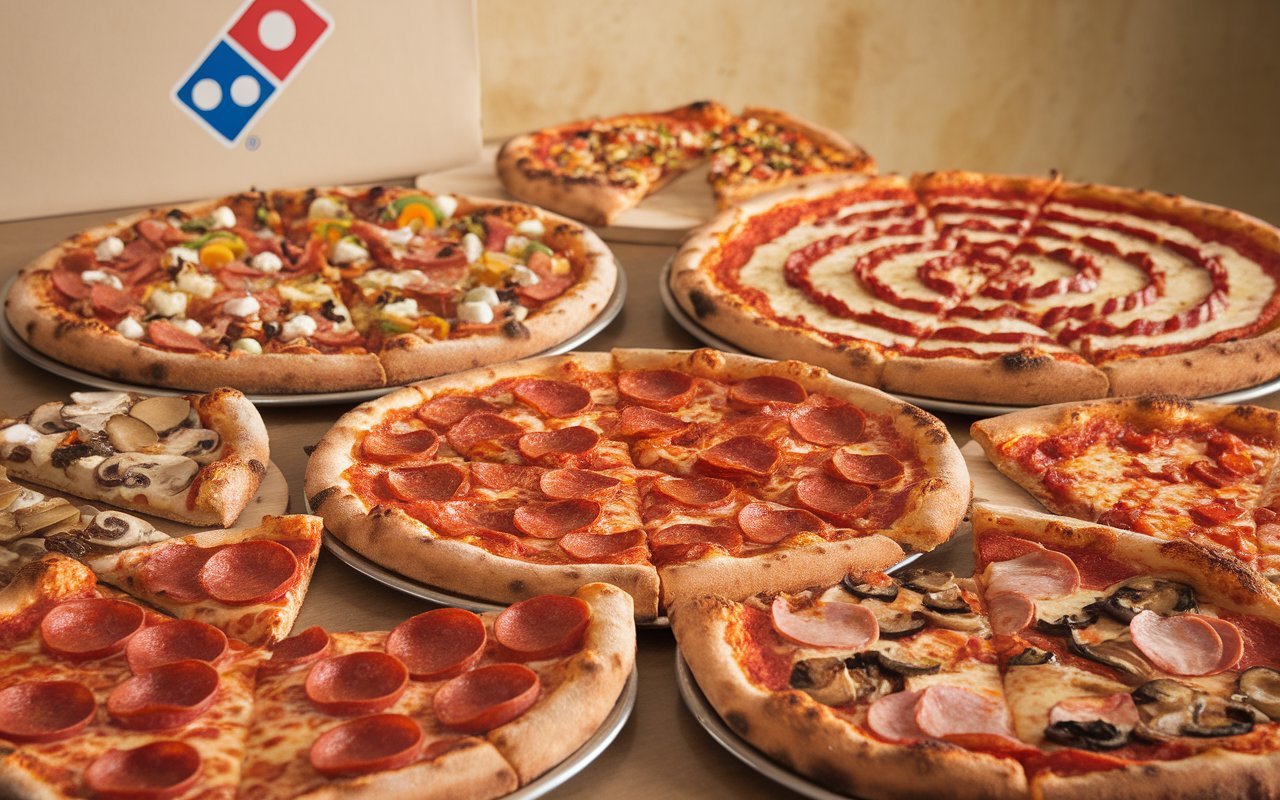
When we talk about loaded vegetarian pizzas, Domino’s Extravaganza stands out for its combination of vegetables, cheese, herbs, and contrasting flavors. Available on Domino’s India menus, the pizza brings together black olives, capsicum, onion, grilled mushroom, golden corn, tomato, jalapeño, and extra cheese. The combination is designed for diners who want a vegetarian pizza with several toppings rather than a simple cheese-based option.
In 2026, the Veg Extravaganza remains listed across multiple Domino’s India locations, although menus, prices, promotions, and availability can vary by store. For anyone searching for Domino’s Extravaganza, understanding its ingredients, flavor profile, customization options, size choices, and ordering considerations makes it easier to decide whether this loaded pizza matches their preferences.
What Is Domino’s Veg Extravaganza?
Domino’s Veg Extravaganza is a vegetarian pizza offered by Domino’s India. Its defining feature is the variety of toppings used together on the pizza. According to current Domino’s India menu listings, the pizza includes black olives, capsicum, onion, grilled mushroom, corn, tomato, jalapeño, and extra cheese.
Rather than relying on one dominant topping, the Veg Extravaganza combines several ingredients with different textures and flavors. The vegetables contribute freshness and crunch, grilled mushroom provides a deeper savory note, black olives add saltiness, jalapeño contributes heat, and extra cheese creates a richer finish.
This makes the pizza particularly relevant for people who want a fully loaded vegetarian pizza with multiple toppings in every bite.
Domino’s Extravaganza Ingredients and Toppings
The topping combination is the most important feature of the Veg Extravaganza pizza. Domino’s current menu description identifies eight major components: black olives, capsicum, onion, grilled mushroom, corn, tomato, jalapeño, and extra cheese.
Each ingredient contributes something different. Black olives provide a savory and slightly salty flavor, while capsicum introduces a crisp vegetable texture. Onion adds aromatic sweetness when cooked, and grilled mushroom brings an earthy, savory quality. Golden corn contributes natural sweetness and a pleasant bite.
Tomato adds freshness and acidity, helping balance the richer toppings and cheese. Jalapeño provides a noticeable spicy element for diners who enjoy heat. Finally, the extra cheese ties the ingredients together and gives the pizza its richer, indulgent character.
The combination is therefore more complex than a basic vegetable pizza. Instead of concentrating on one or two ingredients, Domino’s builds the Extravaganza around variety and contrast.
What Does Veg Extravaganza Taste Like?
The taste of Domino’s Extravaganza depends on the interaction between its vegetables, cheese, sauce, and selected crust. We can expect several flavor sensations within the same slice.
The corn and onion contribute sweetness, while tomato introduces a fresher, slightly acidic note. Mushrooms add savory depth, and olives bring saltiness. Jalapeño can provide a spicy kick that cuts through the richness of the cheese.
The result is a pizza that can move between sweet, savory, salty, spicy, and creamy flavors rather than delivering one uniform taste. The vegetables also create a range of textures, from crisp capsicum and corn to softer mushrooms and melted cheese.
For diners who prefer milder food, the jalapeño can be a consideration. For people who enjoy a more exciting vegetarian pizza, its presence gives the Extravaganza additional character.
Crust and Size Choices for Domino’s Extravaganza
The final experience is influenced not only by toppings but also by pizza size and crust. Domino’s India has described multiple crust choices, including New Hand Tossed, Fresh Pan Pizza, Cheese Burst, and Wheat Thin Crust, although available choices can depend on the individual pizza and current local menu.
A hand-tossed style can provide a familiar balance between crust and toppings. A pan-style crust generally creates a thicker, richer base, while a cheese-filled option adds another layer of richness. A thin crust changes the balance by placing greater emphasis on the toppings.
Size is equally important when ordering for more than one person. Domino’s India has previously described Regular, Medium, and Large sizes, with serving capacity increasing according to size. Current availability and specifications should always be checked on the local ordering menu before placing an order.
For an individual meal, a smaller size may be sufficient, while a larger pizza can work better when several people are sharing.
Domino’s Extravaganza Price and Availability in 2026
One important point about Domino’s Extravaganza price is that there is no single universal price that should be treated as current everywhere. Domino’s menus can differ according to location, promotions, taxes, delivery charges, size, and other ordering conditions.
Domino’s historical India pricing information listed the Veg Extravaganza at ₹249 for Regular, ₹459 for Medium, and ₹699 for Large, but that published pricing information is older and should not be treated as a guaranteed 2026 price.
Current Domino’s India location menus continue to show Veg Extravaganza, confirming that the pizza remains available in multiple markets.
For the most accurate 2026 price, we should select the relevant delivery location and check the live Domino’s menu. Promotions and meal deals can also change the final amount.
How Does Veg Extravaganza Compare With Other Vegetarian Domino’s Pizzas?
Domino’s India offers several vegetarian pizzas with very different topping combinations. Farmhouse, for example, features onion, capsicum, tomato, and grilled mushroom. Deluxe Veggie combines onion, capsicum, grilled mushroom, corn, and paneer. Veggie Paradise focuses on golden corn, black olives, capsicum, and red paprika.
The Veg Extravaganza takes the loaded approach further by combining black olives, capsicum, onion, grilled mushroom, corn, tomato, jalapeño, and extra cheese. That makes it one of the more ingredient-heavy vegetarian combinations on the menu.
The right choice depends on what we want from the pizza. Someone looking for a simpler vegetable combination may prefer Farmhouse, while someone wanting paneer might select Deluxe Veggie. Those who enjoy more toppings, extra cheese, and a mixture of sweet, savory, and spicy flavors may find the Extravaganza more suitable.
Best Ways to Enjoy Domino’s Veg Extravaganza
The Veg Extravaganza can be enjoyed on its own, but it can also be paired with sides and beverages for a larger meal. Because the pizza already contains numerous toppings and extra cheese, lighter sides can provide balance.
For a group order, the pizza also works well alongside other styles. We can combine one loaded vegetarian pizza with a simpler cheese pizza or a different vegetarian option so that everyone has a choice.
Customization can also matter. If we prefer less heat, we can check whether the current local ordering system permits relevant modifications. If we enjoy spice, jalapeño provides a natural source of heat, while additional seasonings can further change the flavor.
We should also remember that ingredients and customization availability may vary by location, so the local Domino’s ordering interface is the appropriate place to confirm what can currently be changed.
Frequently Asked Questions About Domino’s Extravaganza
Is Domino’s Extravaganza vegetarian?
Yes. The Veg Extravaganza listed on Domino’s India menus is a vegetarian pizza featuring vegetables, black olives, jalapeño, and extra cheese.
What toppings are on Domino’s Veg Extravaganza?
The current Domino’s India menu describes it with black olives, capsicum, onion, grilled mushroom, corn, tomato, jalapeño, and extra cheese.
Is Veg Extravaganza spicy?
It can have a spicy element because it contains jalapeño. The overall heat level can vary according to the amount of jalapeño and other seasonings used.
How much does Domino’s Extravaganza cost in 2026?
The price depends on location, size, promotions, and current menu pricing. Older Domino’s India pricing information listed ₹249, ₹459, and ₹699 for Regular, Medium, and Large respectively, but those figures should not be assumed to be the current 2026 prices.
What makes Veg Extravaganza different?
Its main distinction is the large combination of toppings. Unlike pizzas built around just a few vegetables, it combines olives, capsicum, onion, mushroom, corn, tomato, jalapeño, and extra cheese.
Is Veg Extravaganza available at every Domino’s location?
Availability can vary by location and current menu. Multiple Domino’s India store menus currently list the pizza, but checking the menu for the specific delivery location is the most reliable way to confirm availability.
Conclusion
Domino’s Extravaganza is built around abundance: more vegetables, more contrasting flavors, and extra cheese. With black olives, capsicum, onion, grilled mushroom, corn, tomato, jalapeño, and extra cheese, it offers a layered vegetarian pizza experience rather than a simple topping combination.
In 2026, the pizza continues to appear on Domino’s India menus in multiple locations. Because prices, offers, sizes, crust options, and availability can change, we should check the local Domino’s menu before ordering. For anyone searching for a loaded vegetarian pizza with a mixture of sweet, savory, fresh, salty, spicy, and cheesy flavors, the Veg Extravaganza remains a distinctive option to explore.
Parloa has emerged as a significant name in enterprise artificial intelligence, customer service automation, and conversational AI. The Berlin-founded company develops an AI Agent Management Platform (AMP) designed to help large organizations create, test, deploy, monitor, and continuously improve AI agents that communicate with customers through voice, chat, messaging, and other channels. Rather than functioning as a conventional chatbot, Parloa focuses on AI agents capable of completing practical customer-service tasks and interacting with business systems.
In 2026, Parloa is attracting substantial attention because enterprises are increasingly looking beyond simple automated responses toward agentic AI that can handle complete customer journeys. The company raised $350 million in Series D funding at a $3 billion valuation in January 2026, according to Reuters, bringing its total funding to more than $560 million.
What Is Parloa?
Parloa is an enterprise AI company specializing in customer-service agents. It was founded by Malte Kosub and Stefan Ostwald and has developed its platform around the idea that AI should do more than answer frequently asked questions. Its agents can communicate naturally with customers, retrieve information, use connected business systems, and complete multi-step processes.
According to Parloa, its platform is designed for high-volume and high-stakes customer interactions, where businesses need reliability, security, and control. Its technology is being used across industries including financial services, retail, utilities, healthcare, media, information technology, and travel.
OpenAI’s 2026 profile of the company explains that Parloa evolved from early rule-based voice agents into its current AI Agent Management Platform, allowing enterprise teams to define agent behavior in natural language, connect internal systems, simulate conversations, evaluate performance, and deploy agents into production.
This approach makes Parloa particularly relevant to organizations that receive millions of customer interactions and want to automate repetitive work without sacrificing the ability to transfer complex cases to human employees.
How the Parloa AI Agent Management Platform Works
The core of Parloa is its AI Agent Management Platform, which covers the complete lifecycle of an AI agent. The platform allows teams to design, test, deploy, scale, monitor, and optimize their agents instead of treating development and production as separate processes.
During the design stage, businesses can create agents through Parloa Studio and combine pre-built skills, custom skills, integrations, subtask agents, and MCP skills. This modular structure can make complicated customer-service processes easier to manage because individual responsibilities can be separated rather than placing every instruction into one enormous prompt.
Before an agent reaches customers, Parloa provides simulations and evaluations. AI-generated customer conversations can be used to test how an agent responds to realistic situations, while evaluations can check whether the agent followed instructions, used tools correctly, and completed the intended task.
Once deployed, businesses can monitor conversations and performance through tools such as Parloa Lens, Data Hub, and Conversation Store. This creates a continuous improvement cycle in which organizations can identify problems, refine agent behavior, and test new versions before broader deployment.
Parloa Voice AI and Multichannel Customer Service
One of Parloa’s most important strengths is its emphasis on voice AI. Traditional chatbots can be relatively forgiving when a response takes a few seconds, but voice conversations require extremely low latency. Customers immediately notice unnatural pauses, incorrect transcriptions, or awkward responses during a phone call.
Parloa’s platform is designed for natural, low-latency conversations across more than 130 languages, with regional language support and real-time translation capabilities. The company reports a 97% real-time translation accuracy figure and a 13% improvement in speech-to-text accuracy within its cited platform results.
The platform also supports phone, messaging, chat, click-to-call, and multimodal experiences, allowing businesses to connect AI agents with multiple customer channels.
This multichannel approach is important because modern customer journeys rarely remain within one communication method. A customer might begin with a phone call, continue through online chat, and receive information through a digital channel. Parloa’s broader objective is to make those interactions part of a connected customer experience rather than isolated conversations.
Parloa Use Cases and Industries
Parloa is built primarily for large enterprises with significant customer-service volumes. The company’s industry solutions include financial services, utilities, e-commerce and retail, healthcare, media and entertainment, and information technology.
In financial services, AI agents can assist with identity checks, card-related issues, claims, and other customer requests. In utilities, agents can help customers with outages and billing questions. Retail organizations can use AI for orders, returns, product questions, and related support.
Healthcare organizations can potentially automate administrative interactions such as appointment scheduling, prescription-refill requests, and patient support, while IT departments can use agents for ticket management, password resets, and user assistance.
The platform can also support revenue-oriented conversations rather than limiting AI to customer complaints. OpenAI describes Parloa agents handling interactions across industries such as retail, travel, and insurance, including both support automation and revenue-generating applications.
Parloa Security, Compliance, and Enterprise Reliability
Enterprise AI requires more than conversational intelligence. Organizations handling financial information, healthcare data, payment details, or personal information need strong security, privacy, compliance, and governance.
Parloa says its platform is designed for regulated environments and highlights compliance and security standards including GDPR, EU AI Act, HIPAA, DORA, SOC 2 Type I and II, ISO standards, and PCI DSS. Its website also identifies ISO 27001:2022, ISO 17442:2020, SOC 2 Type 1, SOC 2 Type 2, PCI DSS, and HIPAA among its security and compliance credentials.
The testing process is another important part of the platform. Instead of deploying an AI agent immediately and discovering problems through real customers, organizations can use simulation and evaluation tools before production. This is especially valuable for financial services, healthcare, insurance, and other environments where an incorrect answer or inappropriate action can have serious consequences.
Parloa’s architecture also combines flexible AI reasoning with more deterministic controls for critical processes. OpenAI’s company profile describes the use of structured API chains and event-based logic to ensure that important steps occur in the appropriate sequence.
Parloa Funding, Growth, Customers, and 2026 Outlook
Parloa’s rapid funding growth illustrates the increasing investor interest in enterprise agentic AI. Reuters reported that the company’s January 2026 Series D raised $350 million, tripling its valuation to $3 billion in less than a year. The round brought total funding above $560 million.
Parloa says it works with major global brands, including Allianz, Booking.com, and IKEA, and reports a workforce of more than 400 people across New York, Berlin, and Munich on its current company information page.
The company is also expanding its technology beyond basic automated call handling. Its platform increasingly focuses on agentic customer experience, in which AI can understand a customer’s goal, access the appropriate systems, perform multiple steps, and resolve an interaction from beginning to end.
This distinction is important. Traditional automation typically follows predefined menus or rigid workflows. Agentic AI attempts to give customers a more flexible conversation while maintaining business rules and safeguards. Parloa’s continued emphasis on simulation, evaluation, orchestration, and monitoring reflects the difficulty of making that approach reliable at enterprise scale.
Frequently Asked Questions About Parloa
What is Parloa used for?
Parloa is used to build and operate AI agents for enterprise customer service. These agents can handle voice, chat, messaging, and other interactions while connecting with business systems to complete customer requests.
Is Parloa a chatbot?
Parloa can support conversational AI experiences, but its broader platform goes beyond a conventional chatbot. Its AI Agent Management Platform is designed to create agents that can perform actions, use tools, complete multi-step tasks, and operate across customer-service channels.
Who founded Parloa?
Parloa was founded by Malte Kosub and Stefan Ostwald. The company originated in Berlin and has expanded internationally as its enterprise AI platform has grown.
Does Parloa support voice AI?
Yes. Voice AI is a central part of Parloa’s platform, with support for natural conversations, multilingual interactions, real-time translation, and enterprise-scale voice automation.
How much is Parloa worth in 2026?
Parloa reached a reported $3 billion valuation following its $350 million Series D funding round announced in January 2026.
What makes Parloa different from traditional customer-service automation?
Parloa focuses on agentic AI and complete interaction management, rather than limiting automation to fixed menus and simple FAQ responses. Its platform combines natural-language agents with integrations, simulations, evaluations, guardrails, monitoring, and continuous optimization.
Conclusion
Parloa represents a growing generation of enterprise AI platforms designed to transform customer service from rigid automation into more natural, intelligent, and action-oriented conversations. Its AI Agent Management Platform brings together agent design, integrations, simulations, evaluations, deployment, monitoring, and optimization in one environment.
Its particular strength is the combination of voice AI, multilingual communication, enterprise integrations, agentic workflows, and reliability controls. With major customers, rapid international growth, and a $3 billion valuation following its 2026 Series D round, Parloa has become an important company to watch in the enterprise AI and customer-experience market.
As businesses look for ways to manage increasing customer-interaction volumes without sacrificing quality, platforms such as Parloa demonstrate how AI agents can move beyond answering questions toward actually resolving customer needs. In 2026, that shift is making Parloa a notable name in the rapidly developing world of agentic customer service.
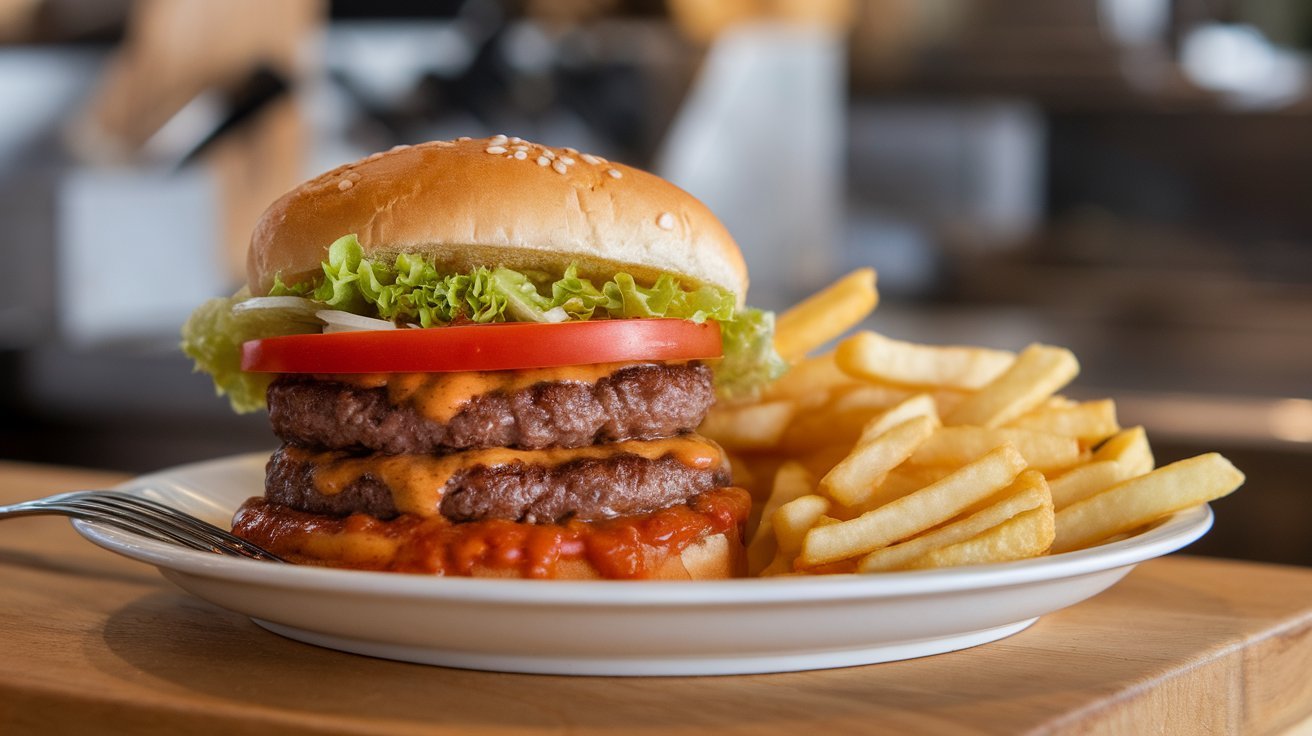
The Wendy’s Jr. Hamburger is one of the simplest and most affordable burgers on the Wendy’s menu. Unlike the Jr. Cheeseburger, it skips the cheese and focuses on the classic combination of fresh beef, pickles, onions, ketchup, mustard, and a toasted bun. Wendy’s describes the patty as fresh, never frozen beef, making the Jr. Hamburger a straightforward choice for customers who want a smaller burger without cheese.
For 2026, the Jr. Hamburger remains an appealing option for people looking for a smaller portion, a quick snack, a budget-friendly meal, or a simple classic hamburger. Because Wendy’s menus, prices, promotions, and availability can vary by location, the exact cost and nutritional information should be checked through the local Wendy’s menu when ordering.
What Is the Wendy’s Jr. Hamburger?
The Jr. Hamburger is a smaller Wendy’s hamburger made with a beef patty and traditional burger toppings. According to Wendy’s current U.S. menu, it contains fresh, never-frozen beef, along with pickles, onion, ketchup, mustard, and a toasted bun.
The most important difference between the Jr. Hamburger and several other Wendy’s burgers is its simplicity. There is no cheese, bacon, lettuce, tomato, or mayonnaise on the standard U.S. Jr. Hamburger. This makes it particularly suitable for customers who prefer a basic hamburger flavor rather than a heavily loaded sandwich.
Its smaller size also distinguishes it from larger Wendy’s burgers such as Dave’s Single, Dave’s Double, and the Baconator. Instead of being designed as a large, filling entrée, the Jr. Hamburger is positioned as a smaller-value menu choice.
The ingredients work together in a familiar way: the beef provides the savory center, ketchup contributes sweetness, mustard adds tanginess, pickles provide acidity and crunch, and onions add another layer of flavor.
Wendy’s Jr. Hamburger Ingredients
The standard U.S. Wendy’s Jr. Hamburger ingredients are relatively straightforward. Wendy’s currently describes the burger as fresh, never-frozen beef topped with:
- Beef patty
- Pickles
- Onion
- Ketchup
- Mustard
- Toasted bun
The exact ingredient composition of individual components can include additional ingredients, and formulations can change by market. Therefore, customers with food allergies or dietary restrictions should always consult Wendy’s current ingredient and allergen information before ordering.
Wendy’s provides nutrition and allergen information through its website, restaurants, and app. The company also allows customers to customize menu items by removing ingredients such as condiments or cheese where applicable.
The bun is an important part of the burger because it provides the soft texture that contrasts with the beef and crisp pickles. The ketchup and mustard give the sandwich its recognizable classic-hamburger taste without relying on a creamy sauce.
How Many Calories Are in a Wendy’s Jr. Hamburger?
The calorie count of a Wendy’s Jr. Hamburger can vary by country and menu formulation, so it is important not to confuse U.S. and international nutritional information.
Wendy’s current U.S. menu page provides nutrition information for the Jr. Hamburger, while Wendy’s publishes separate nutritional documents for other markets. This distinction matters because the same or similar menu names can have different ingredients and nutritional values.
For comparison, Wendy’s current UK nutrition documentation lists the Jr. Cheeseburger Deluxe at 366 kcal, while the UK Jr. Bacon Cheeseburger is listed at 410 kcal. These are not the same product as the U.S. Jr. Hamburger, so those figures should not be used as the U.S. Jr. Hamburger’s calorie count.
For the most accurate 2026 Wendy’s Jr. Hamburger calories, customers should select their restaurant location and review the nutritional information shown for that specific menu item. This is especially important when tracking calories, carbohydrates, fat, protein, or sodium.
Adding fries, a drink, dipping sauce, or a dessert such as a Frosty will naturally increase the total calories of the meal.
Wendy’s Jr. Hamburger vs. Jr. Cheeseburger
The easiest comparison is between the Jr. Hamburger and Jr. Cheeseburger. Both are smaller Wendy’s burgers, but the toppings and flavor profile are different.
The U.S. Jr. Hamburger contains beef, pickles, onion, ketchup, mustard, and a toasted bun. The Jr. Cheeseburger adds cheese to the beef and traditional toppings. Wendy’s currently describes its U.S. Jr. Cheeseburger as fresh, never-frozen beef topped with cheese, pickles, onion, ketchup, and mustard on a toasted bun.
This makes the Jr. Hamburger the better choice for someone who does not want cheese or simply prefers a more traditional hamburger. The Jr. Cheeseburger, meanwhile, provides a richer and creamier flavor because of the added cheese.
Customers should also be aware that Wendy’s menu versions can differ internationally. For example, the current Wendy’s UK Jr. Cheeseburger is presented with tomatoes, lettuce, ketchup, and mayonnaise, demonstrating why location-specific menus matter when comparing products.
Is the Wendy’s Jr. Hamburger a Good Value in 2026?
The Jr. Hamburger is particularly attractive when portion size and affordability are priorities. Instead of ordering a larger burger, customers can choose a smaller sandwich and combine it with a side or drink according to their appetite.
The actual price varies according to location, taxes, delivery fees, promotions, and whether the burger is purchased individually or as part of a promotional meal. Wendy’s also periodically changes its value offers and bundles, meaning a price found at one restaurant may not apply everywhere.
For someone with a smaller appetite, the Jr. Hamburger can be a practical alternative to ordering a full-size burger. Parents may also choose smaller menu items when ordering for children, although nutritional needs and age-appropriate portions should always be considered individually.
Another advantage is customization. If we want fewer toppings, Wendy’s allows menu modifications through its ordering channels for many items.
Allergens and Dietary Considerations
Anyone with a food allergy should take extra care when ordering the Wendy’s Jr. Hamburger. Wendy’s publishes allergen information and identifies major allergens on its menus. However, the company states that cross-contact can occur because common preparation and handling areas are used, so it cannot guarantee that a menu item is completely free of allergens.
The bun is particularly important for customers avoiding wheat or gluten. Mustard is another ingredient that may be relevant to people with specific allergies or sensitivities.
Because ingredients and preparation procedures can change, we should always check the current Wendy’s allergen information before ordering, especially when the consequences of exposure could be serious.
Customers following vegetarian, vegan, gluten-free, low-sodium, or other specialized diets should also avoid making assumptions based solely on the burger’s short ingredient list. The complete ingredient information and local preparation practices matter.
How to Order the Wendy’s Jr. Hamburger in 2026
Ordering a Wendy’s Jr. Hamburger is straightforward through participating Wendy’s restaurants, the Wendy’s website, or the company’s ordering app. Availability can depend on the specific restaurant and market.
When ordering, we can typically customize the burger according to the options offered by the restaurant. Removing pickles, onions, ketchup, or mustard can change the taste substantially, while keeping all the standard toppings provides the classic Wendy’s Jr. Hamburger experience.
For customers watching overall meal nutrition, ordering the burger without automatically adding fries and a sugary drink can make it easier to control the total amount consumed. Conversely, anyone looking for a more complete meal can pair it with an appropriate side and beverage.
It is worth checking the current local menu before visiting because prices, promotions, ingredients, availability, and meal combinations can change.
Conclusion
The Wendy’s Jr. Hamburger remains a simple and recognizable choice in 2026. Its appeal comes from its uncomplicated combination of fresh, never-frozen beef, pickles, onions, ketchup, mustard, and a toasted bun.
Compared with the Jr. Cheeseburger, the Jr. Hamburger leaves out cheese, making it a useful choice for customers who prefer a classic hamburger without dairy from the cheese topping. Its smaller size also makes it suitable for people who want a lighter portion or a relatively inexpensive individual burger.
For accurate 2026 calories, price, ingredients, and allergen information, we should always use the Wendy’s menu for the specific country and restaurant because nutritional information and formulations can vary between markets. Wendy’s also provides customization and allergen resources to help customers make more informed choices.
Frequently Asked Questions About Wendy’s Jr. Hamburger
What comes on a Wendy’s Jr. Hamburger?
The U.S. Jr. Hamburger comes with fresh, never-frozen beef, pickles, onion, ketchup, mustard, and a toasted bun.
Does the Wendy’s Jr. Hamburger have cheese?
No. The standard Jr. Hamburger does not include cheese. The Jr. Cheeseburger is the similar option that adds cheese.
Is the Wendy’s Jr. Hamburger smaller than a Dave’s Single?
Yes. The Jr. Hamburger is a smaller burger designed as a junior/value-sized option rather than a full-size Wendy’s hamburger.
How many calories are in the Wendy’s Jr. Hamburger?
The exact 2026 calorie information depends on the market and current formulation. The safest approach is to check the nutritional information displayed for the specific Wendy’s restaurant where the burger will be purchased.
Can I customize a Wendy’s Jr. Hamburger?
Yes. Wendy’s allows customers to customize many menu items, including removing certain ingredients or condiments.
Is the Wendy’s Jr. Hamburger suitable for people with allergies?
Customers with allergies should check Wendy’s current allergen information before ordering. Wendy’s warns that cross-contact is possible in its restaurants.
Is the Jr. Hamburger available everywhere?
Menu availability can vary by country, restaurant, and time. Checking the local Wendy’s menu is the best way to confirm availability and current pricing.


 Food3 months ago
Best Empanada Tucumana Near Me: The Ultimate 2026 Guide to Finding Authentic Argentine Empanadas
- News4 months ago
Marcy Wudarski: Everything You Need to Know About James Gandolfini’s First Wife
- celebrity4 months ago
Matewa Kiritapu: Everything You Need to Know
- celebrity4 months ago
Marie-France Ward: A Complete Biography, Career, Life Story, and Legacy
- celebrity3 months ago
Brent Power: A Complete Guide to Understanding Its Meaning, Importance, and Modern Applications
- celebrity3 months ago
Viva Street Croydon: The Complete 2026 Guide to Buying, Selling, Jobs, and Local Deals
- Tech3 months ago
Almawadahit.com Tech: The Complete 2026 Guide to Technology News, Digital Trends, Reviews, and Online Resources
- Food3 months ago
Best Tarta de Pollo Near Me: The Ultimate 2026 Guide to Finding Authentic Chicken Pie