
Food
Best Mondongo Soup Near Me in 2026: A Complete Guide to Finding Rich, Traditional Mondongo

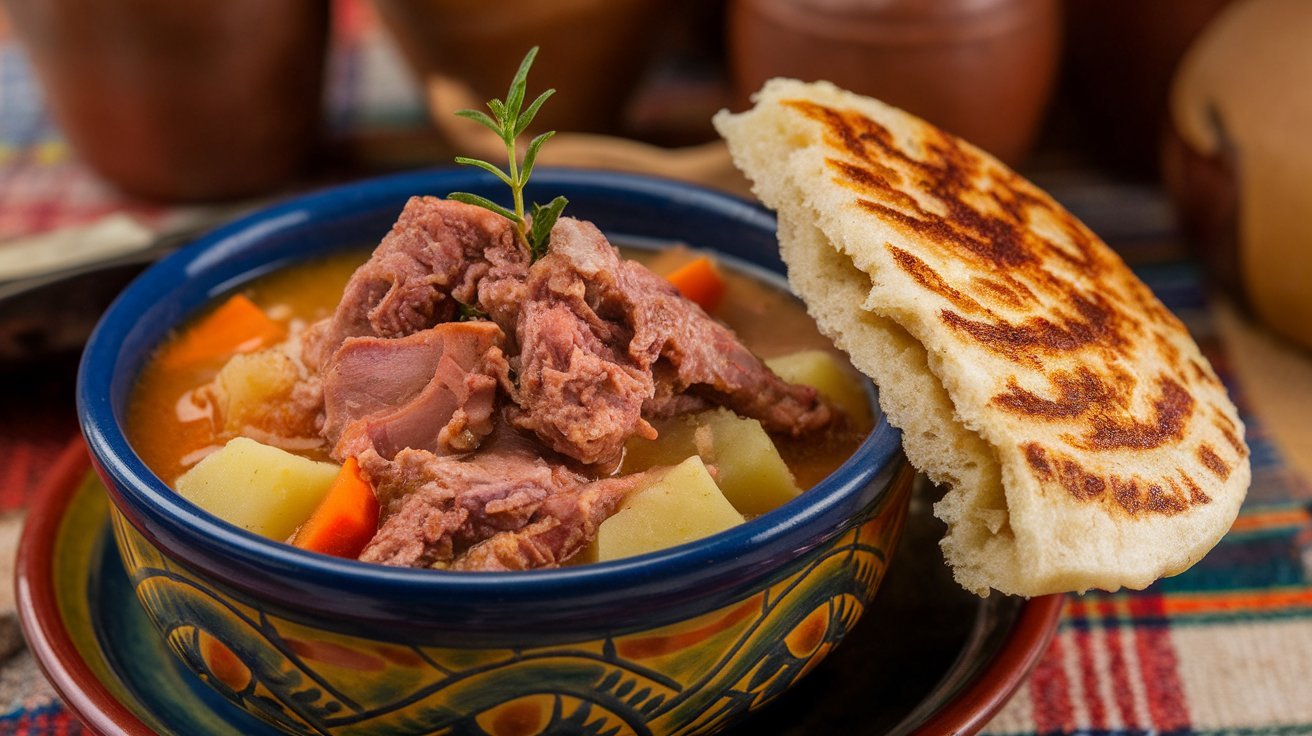
Finding the best mondongo soup near me is a rewarding search for anyone who enjoys hearty Latin American and Caribbean comfort food. Mondongo is a traditional soup or stew prepared with tripe, vegetables, herbs, and a richly seasoned broth. Depending on the country and regional tradition, recipes can vary substantially, with Colombian, Dominican, Puerto Rican, Venezuelan, Mexican, and other versions offering different textures and flavours.
For diners in Faisalabad, however, finding authentic mondongo can be more challenging because it is not a mainstream Pakistani dish. Rather than assuming that a restaurant serves it simply because it offers international food, we should verify the current menu before travelling. Searching specifically for mondongo, tripe soup, Latin American soup, Colombian food, Dominican food, or Caribbean cuisine can produce more useful results than a generic search for soup.
The ideal bowl should combine tender tripe, a deeply flavoured broth, vegetables, herbs, and carefully balanced seasoning. Whether we discover it at a specialist restaurant or eventually prepare it at home, understanding what makes authentic mondongo special helps us recognise a high-quality version.
What Is Mondongo Soup?
Mondongo soup is a traditional dish centred on beef tripe, particularly the stomach lining of cattle. The tripe is thoroughly cleaned and cooked until tender, then combined with ingredients such as potatoes, cassava, carrots, corn, plantain, onions, garlic, peppers, herbs, and spices, depending on the regional recipe.
The word mondongo can refer to both the tripe itself and dishes made from it. Recipes differ considerably across Latin America and the Caribbean. Colombian mondongo, for example, may include pork and vegetables, while Dominican versions can feature a more intensely seasoned broth and additional root vegetables.
Texture is one of the defining characteristics. Properly prepared tripe should be tender and pleasantly chewy, rather than tough or rubbery. The broth should have enough body and flavour to complement the tripe without becoming excessively greasy.
For someone searching for the best mondongo soup near me, these characteristics are more useful than simply choosing the restaurant with the highest generic rating.
How to Find the Best Mondongo Soup Near Me
The most effective search strategy is to look for restaurants specialising in Latin American, Colombian, Dominican, Puerto Rican, Venezuelan, or Caribbean cuisine. Mondongo is far more likely to appear on these menus than at a restaurant described simply as “international.”
We should also check whether the restaurant offers traditional daily specials, because soups such as mondongo are sometimes prepared on particular days rather than being permanently listed.
Useful searches include:
- “mondongo soup near me”
- “authentic mondongo near me”
- “Colombian mondongo near me”
- “Dominican mondongo near me”
- “tripe soup near me”
- “Latin American restaurants near me”
- “Caribbean restaurants near me”
Before travelling, it is worth calling the restaurant and asking whether mondongo is available that day. This is particularly important because recipes requiring lengthy cooking times may be prepared in limited quantities.
For delivery, we should also check whether the soup is packaged securely and whether the restaurant keeps the broth and solid ingredients together. A well-packed soup should arrive hot without excessive leakage or separation.
What Makes Authentic Mondongo Soup So Good?
The best mondongo soup begins with properly cleaned tripe. This ingredient requires careful preparation, and the cooking process can take considerable time. When prepared correctly, the tripe becomes tender while retaining its distinctive texture.
The broth is equally important. A memorable mondongo should have a deep savoury flavour, usually developed through slow cooking and a combination of aromatics, vegetables, herbs, and spices. Garlic, onion, peppers, cilantro, cumin, oregano, and other seasonings may be used according to regional tradition.
Vegetables provide additional texture and sweetness. Depending on the recipe, we might find potatoes, carrots, cassava, green plantain, corn, pumpkin, or yuca in the bowl. Some versions also contain pork, sausage, or other meats.
A good serving should feel substantial without being overwhelmingly heavy. The tripe should not dominate every bite; instead, it should work with the vegetables and broth to create a balanced, comforting meal.
Different Types of Mondongo to Try
One reason searching for mondongo near me can be interesting is that the dish changes significantly between countries.
Colombian mondongo is commonly prepared with tripe and vegetables and may include pork, chorizo, yuca, potatoes, carrots, and other ingredients. It is usually served as a hearty meal rather than a light starter.
Dominican mondongo is another well-known variation, generally characterised by a strongly seasoned preparation. Ingredients can include root vegetables, peppers, herbs, and aromatic seasonings.
Puerto Rican mondongo may incorporate root vegetables and Caribbean seasonings, while other Caribbean versions can have their own distinctive combination of ingredients and spices.
In some regions, mondongo is prepared more like a thick stew than a soup. This is why we should not judge authenticity solely by consistency. A traditional preparation can be brothy, thick, spicy, mild, or heavily vegetable-based depending on its regional heritage.
When ordering, asking about the restaurant’s regional style can make the experience much more interesting.
What to Order With Mondongo Soup
Mondongo is substantial enough to serve as a complete meal, but traditional accompaniments can make the experience even better. Depending on the restaurant and regional style, we may find rice, avocado, lime, plantains, bread, tortillas, or fresh herbs served alongside it.
A squeeze of fresh lime can provide acidity that balances the richness of the broth. Avocado contributes creaminess, while rice can make the meal even more filling.
If the restaurant serves hot sauce or a house-made chilli condiment, we can add it gradually rather than overpowering the carefully developed flavour of the soup.
For first-time diners, it is usually best to taste the broth before adding additional salt, lime, or chilli. This allows us to appreciate the restaurant’s seasoning and determine which additions are actually needed.
How to Choose a Restaurant for Mondongo
When comparing restaurants, we should consider more than star ratings. A restaurant with a strong reputation for traditional Latin American cooking is generally a better starting point than one that merely lists international dishes.
Recent customer photographs can be particularly useful. They can show whether the restaurant’s mondongo contains substantial pieces of tripe and vegetables, how thick the broth is, and whether the portion size is appropriate.
We should also look for reviews mentioning specific qualities such as tender tripe, flavourful broth, authentic seasoning, generous portions, and freshness. Generic comments such as “great restaurant” tell us less about the actual dish.
Cleanliness and food handling are also important when ordering tripe dishes. Because mondongo requires extensive preparation and cooking, choosing an established restaurant with good food-safety practices is sensible.
Frequently Asked Questions About Mondongo Soup Near Me
What is mondongo soup made from?
The principal ingredient is beef tripe, accompanied by vegetables, aromatics, herbs, and spices. Regional versions can also contain pork, sausage, plantain, cassava, potatoes, or other ingredients.
Does mondongo taste strong?
Properly cleaned and prepared mondongo should have a rich savoury flavour without an overpowering unpleasant smell. The broth’s seasoning and aromatics contribute much of its final taste.
Is mondongo spicy?
It depends on the recipe. Some versions are mild, while others use chilli peppers or hot sauces. We can ask the restaurant about its spice level before ordering.
Is mondongo soup healthy?
Its nutritional profile depends on the ingredients and preparation. Mondongo can provide protein and vegetables, but some versions can also be relatively rich or high in fat.
Can we order mondongo for delivery?
Yes, where restaurants offer delivery. However, because it is a soup, we should choose restaurants with secure packaging and ideally order from a location close enough to maintain serving temperature.
What should first-time diners expect?
The defining feature is the texture of tripe. It should be tender but retain some chew. The broth is generally rich, savoury, and heavily influenced by the region’s traditional seasoning.
Final Guide to the Best Mondongo Soup Near Me
Finding the best mondongo soup near me in 2026 requires a little more research than finding an ordinary bowl of soup. Mondongo is a regional dish with substantial variation, and the quality depends heavily on properly prepared tripe, slow cooking, rich broth, fresh vegetables, and authentic seasoning.
For diners searching locally, the best strategy is to focus on Latin American and Caribbean restaurants, particularly establishments specialising in Colombian, Dominican, Puerto Rican, Venezuelan, or related cuisines. We should always confirm that mondongo is being served on the day we plan to visit because it may be a daily special rather than a permanent menu item.
Ultimately, the best bowl is the one that delivers tender tripe, deeply seasoned broth, generous vegetables, balanced spices, and a genuinely traditional character. For anyone who enjoys hearty comfort food and wants to explore something beyond ordinary restaurant soups, authentic mondongo is well worth seeking out.
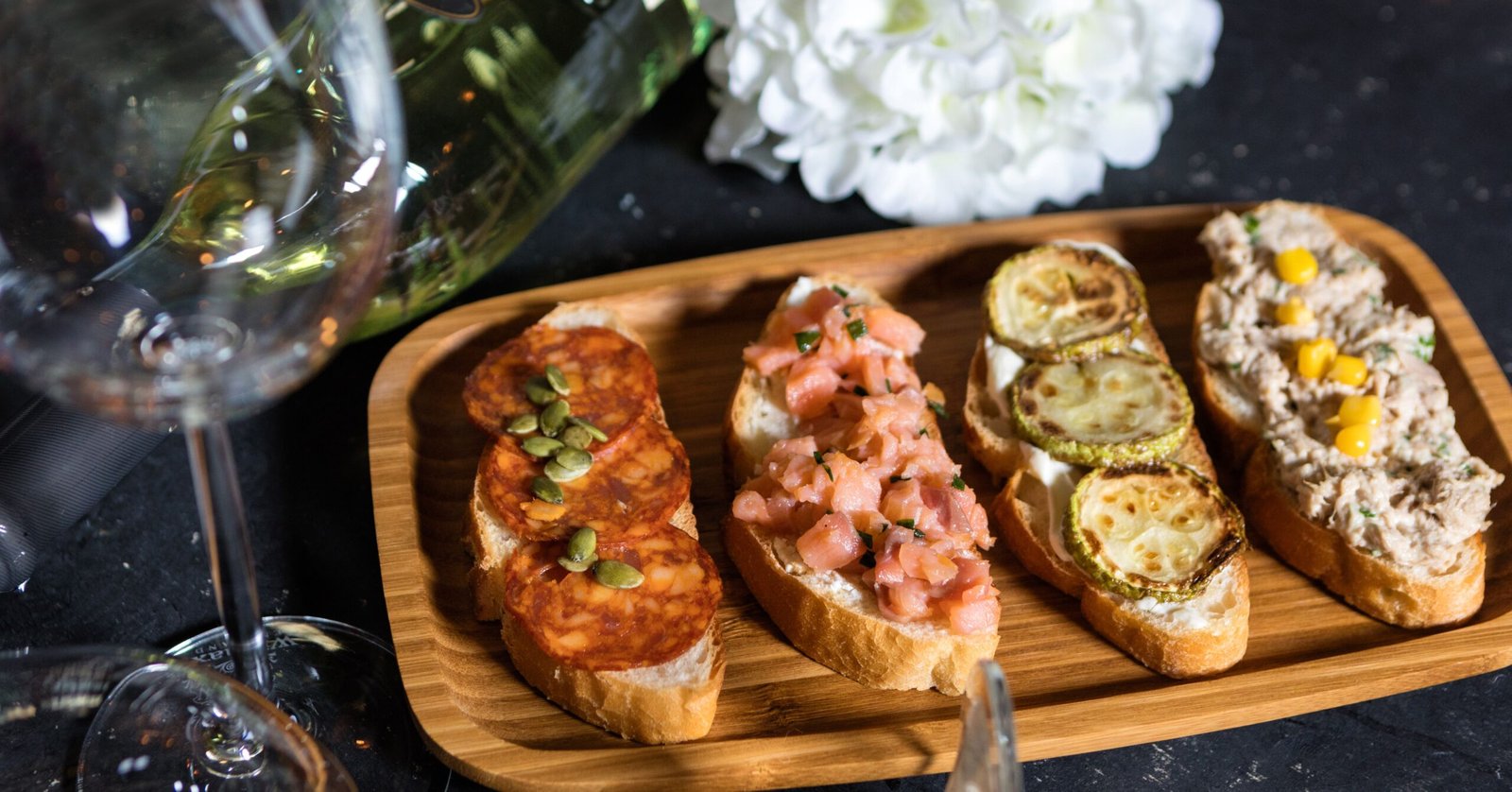
Crostini are small, crispy slices of toasted bread topped with delicious ingredients such as fresh tomatoes, creamy cheese, herbs, and olive oil. This popular Italian appetizer is simple to prepare and works well for dinner parties, family gatherings, holiday celebrations, and casual snacks. With a few basic ingredients, you can create an impressive dish without spending hours in the kitchen.
One of the best things about crostini is their versatility. You can keep them simple with garlic and olive oil or add flavorful toppings such as bruschetta-style tomatoes, ricotta, mushrooms, or roasted vegetables. In this guide, you will learn what crostini are, how to make them at home, which toppings work best, and how to serve them for the best results.
What Is Crostini?
Crostini is an Italian term meaning “little toasts.” They are typically made by slicing a baguette or another crusty bread into thin pieces, brushing the slices with olive oil, and toasting them until golden and crisp. The finished bread provides a crunchy base for a wide range of savory and occasionally sweet toppings.
Traditional crostini can be served with simple ingredients such as olive oil, garlic, and herbs. Modern versions often feature goat cheese, tomatoes, olives, cured meats, mushrooms, or seasonal vegetables. Because the bread is small and easy to hold, crostini are especially popular as finger food at parties and special occasions.
Crostini vs. Bruschetta: What Is the Difference?
Crostini and bruschetta are both Italian toasted-bread appetizers, but they traditionally differ in bread size, texture, and preparation. Crostini are usually made from smaller, thinner slices of fine-textured bread, while bruschetta traditionally uses larger slices of rustic bread. Both can be topped with tomatoes, cheese, herbs, and other flavorful ingredients.
Another difference is that bruschetta is traditionally grilled or toasted and rubbed with garlic before being dressed with olive oil. Crostini are often brushed with oil before baking or toasting, producing a crisp, evenly browned surface. Today, however, the two styles can overlap, and their names are sometimes used more loosely on restaurant menus.
Ingredients for Homemade Crostini
You only need a handful of ingredients to make a basic batch of crostini. Choose fresh bread with a firm crust and a soft interior, as this creates a sturdy base that becomes crunchy without turning excessively hard. Good-quality olive oil adds flavor and helps the bread develop an attractive golden color.
Ingredients
- 1 French baguette or Italian bread loaf
- 3 tablespoons extra-virgin olive oil
- 1 garlic clove, peeled
- Salt, to taste
- Freshly ground black pepper, optional
- Fresh herbs, such as parsley or thyme, optional
These ingredients make a simple, versatile base that pairs well with many toppings. You can adjust the amount of olive oil according to the bread’s size and texture, using enough to lightly coat the slices without making them greasy.
How to Make Crostini in the Oven
Preparing crostini at home is straightforward and requires minimal equipment. The key is to cut the bread evenly, apply a light coating of olive oil, and toast the slices until crisp around the edges. Keep an eye on the bread during baking because thin slices can brown quickly.
Step 1: Preheat the Oven
Preheat your oven to 375°F (190°C). Line a baking sheet with parchment paper if desired, or use a clean, unlined baking tray. Preparing the oven before slicing and arranging the bread helps ensure even cooking once the tray goes inside.
Step 2: Slice the Bread
Cut the baguette into slices approximately ½ inch thick. You can cut straight across for round pieces or diagonally for longer slices with more surface area for toppings. Try to keep the slices similar in thickness so that they toast at approximately the same rate.
Step 3: Brush With Olive Oil
Arrange the bread slices in a single layer on the baking sheet. Lightly brush both sides with extra-virgin olive oil, then add a small amount of salt and black pepper if desired. Avoid using too much oil because excess moisture and fat can make the finished bread feel heavy rather than crisp.
Step 4: Bake Until Golden
Bake the slices for approximately 7–10 minutes, turning them halfway through if necessary. Cooking time depends on the thickness of the bread, the oven, and your preferred level of crispness. Remove the crostini when the edges are golden and the centers feel dry and toasted.
Step 5: Add Garlic and Toppings
For a traditional garlic flavor, gently rub a peeled garlic clove over the warm toasted bread. Allow the slices to cool slightly before adding cheese, vegetables, or other toppings. If you want to keep them crisp for longer, add moist ingredients just before serving.
Best Crostini Toppings to Try
The toppings you choose can transform simple toasted bread into an elegant appetizer. A good combination usually balances texture and flavor, such as creamy cheese with crunchy bread or sweet tomatoes with fresh herbs. Try to select toppings that complement each other without overwhelming the taste of the bread.
1. Tomato and Basil Crostini
Tomato and basil crostini offer a fresh, bright flavor that works particularly well during warmer months. Combine diced ripe tomatoes with chopped fresh basil, olive oil, a little salt, and black pepper. Spoon the mixture onto the toasted bread just before serving to prevent the tomato juices from softening the crust.
2. Creamy Ricotta Crostini
Ricotta crostini are ideal for anyone who enjoys a mild, creamy topping. Spread fresh ricotta over each slice and finish with lemon zest, black pepper, and a drizzle of olive oil. For a slightly sweeter variation, add a little honey and fresh thyme instead of the savory seasoning.
3. Goat Cheese and Honey Crostini
Goat cheese provides a tangy flavor that pairs beautifully with the sweetness of honey. Spread a small amount of soft goat cheese over each toasted slice, then add a light drizzle of honey and a few chopped walnuts if desired. This combination makes an attractive appetizer for dinner parties and festive gatherings.
4. Mushroom Crostini
Mushroom crostini are a satisfying option for people who enjoy rich, savory flavors. Sauté sliced mushrooms with olive oil, minced garlic, thyme, and black pepper until tender and lightly browned. Place the warm mushrooms on toasted bread and finish with grated Parmesan or a little chopped parsley.
5. Smoked Salmon Crostini
Smoked salmon creates a sophisticated topping suitable for brunches, celebrations, and appetizer platters. Spread cream cheese or seasoned ricotta over each slice, then add a small piece of smoked salmon, fresh dill, and a little lemon zest. Assemble these crostini shortly before serving to preserve the texture of the bread.
6. Roasted Vegetable Crostini
Roasted vegetables add color, flavor, and variety to a crostini platter. Try roasted bell peppers, zucchini, eggplant, or cherry tomatoes paired with hummus, soft cheese, or a light spread of pesto. This option is easy to customize according to seasonal produce and personal preferences.
Tips for Making Perfectly Crispy Crostini
The best crostini have a crisp surface, a pleasant toasted flavor, and enough structure to support their toppings. Small changes in slicing, oil application, and baking time can make a noticeable difference in the final result. Following a few simple techniques helps you achieve more consistent results.
- Choose the right bread: A baguette or crusty Italian loaf provides a reliable base.
- Slice evenly: Similar thickness helps all the pieces cook at the same rate.
- Use olive oil sparingly: A light coating encourages browning without making the bread greasy.
- Watch the oven: Remove the slices when they are golden and crisp, not dark brown.
- Add toppings at the right time: Wet ingredients should generally be added shortly before serving.
- Taste before serving: Adjust the seasoning of your toppings to balance saltiness, acidity, and richness.
Another useful tip is to let the toasted bread cool on a wire rack rather than leaving it stacked on a plate. This allows steam to escape and helps prevent the underside from becoming soft. If you are preparing a large batch, work in multiple trays rather than overcrowding the oven.
Common Crostini Mistakes to Avoid
One common mistake is cutting the bread too thick, which can leave the center chewy while the outside becomes hard. Very thin slices can also burn quickly or break under heavier toppings. Aim for approximately ½-inch slices and adjust the baking time according to the bread you are using.
Another problem is adding wet toppings too early. Juicy tomatoes, watery vegetables, and soft spreads can gradually soak into the toasted surface, especially when the appetizers sit for a long time. To maintain the best texture, prepare the toppings separately and assemble the crostini shortly before guests arrive.
How to Serve Crostini
Crostini are easy to serve as a starter before a main meal or as part of a larger appetizer spread. Arrange different toppings on a platter to provide a mix of creamy, fresh, savory, and sweet flavors. Adding fresh herbs, colorful vegetables, and small bowls of dips can make the presentation more appealing.
For a casual gathering, serve crostini with olives, a cheese board, roasted vegetables, or a fresh salad. For a more formal event, offer several varieties in small portions so guests can sample different combinations. Consider labeling toppings that contain common allergens, such as dairy, nuts, or fish.
Can You Make Crostini Ahead of Time?
Yes, you can prepare the toasted bread in advance to save time before a party or family meal. Bake the slices, let them cool completely, and store them in an airtight container at room temperature in a cool, dry place. They are best used within a few days, provided they remain dry and crisp.
It is generally better to prepare toppings separately and assemble the crostini shortly before serving. Refrigerating assembled bread with moist toppings can make it soggy, while some toppings may require refrigeration for food safety. If the bread loses its crispness, you can briefly reheat it in the oven and let it cool before adding fresh toppings.
Are Crostini Healthy?
Crostini can fit into a balanced eating pattern, but their nutritional value depends on the bread, toppings, and portion size. Bread provides carbohydrates, while olive oil contributes unsaturated fats. Adding vegetables, herbs, beans, or moderate amounts of cheese can provide additional nutrients and create a more varied appetizer.
For a lighter version, use smaller slices, apply olive oil sparingly, and focus on vegetable-based toppings. Whole-grain bread can increase fiber, while hummus or bean spreads can add plant-based protein. If you are watching sodium intake, limit salty cheeses, cured meats, and heavily salted toppings.
Frequently Asked Questions About Crostini
What kind of bread is best for crostini?
A French baguette is one of the most popular choices because it has a firm crust and a compact shape that produces evenly sized slices. Italian bread and other crusty loaves can also work well. Choose bread that is sturdy enough to hold the toppings without becoming difficult to bite.
Do you need to use olive oil for crostini?
Olive oil is traditional and adds flavor while helping the bread toast evenly. However, you can prepare crostini without oil if you prefer a lower-fat option or want to use a different seasoning method. The texture may be drier, so monitor the bread carefully while it bakes.
Can you make crostini without an oven?
Yes, you can toast the slices in a skillet over medium heat or use a toaster oven. If using a skillet, lightly brush the bread with olive oil and cook each side until golden and crisp. Work in small batches and avoid excessive heat, which can burn the surface before the center dries.
What is the difference between crostini and crackers?
Crostini are made from sliced bread that is toasted or baked, giving them a bread-like flavor and a crisp texture. Crackers are typically made from dough specifically prepared to produce a dry, crisp snack. Crostini also tend to have a thicker structure, making them suitable for generous toppings.
How many crostini should you serve per person?
For a light appetizer before dinner, approximately 2–4 pieces per person can be a useful starting point. If crostini are part of a larger appetizer spread or the main snack at a gathering, plan for more. The ideal amount depends on the size of the slices, the variety of other foods, and how long the event lasts.
Can crostini be served cold?
Yes, crostini can be served at room temperature with toppings such as tomato and basil, ricotta, or cream cheese. The bread should be toasted and cooled before assembly so it retains its texture. Warm toppings, such as sautéed mushrooms, also work well when served immediately after preparation.
Conclusion
Crostini are a simple Italian appetizer that combines crispy toasted bread with an almost endless variety of toppings. From fresh tomato and basil to creamy ricotta, savory mushrooms, and smoked salmon, there is an option for nearly every occasion and taste preference. Their simple preparation and attractive presentation make them a practical choice for both everyday snacks and special gatherings.
To make the best crostini at home, choose a good-quality loaf, slice it evenly, brush it lightly with olive oil, and bake until golden. Prepare your toppings with fresh ingredients and add them shortly before serving to preserve the crunch. Once you master the basic technique, you can experiment with different flavors and create your own signature crostini combinations.
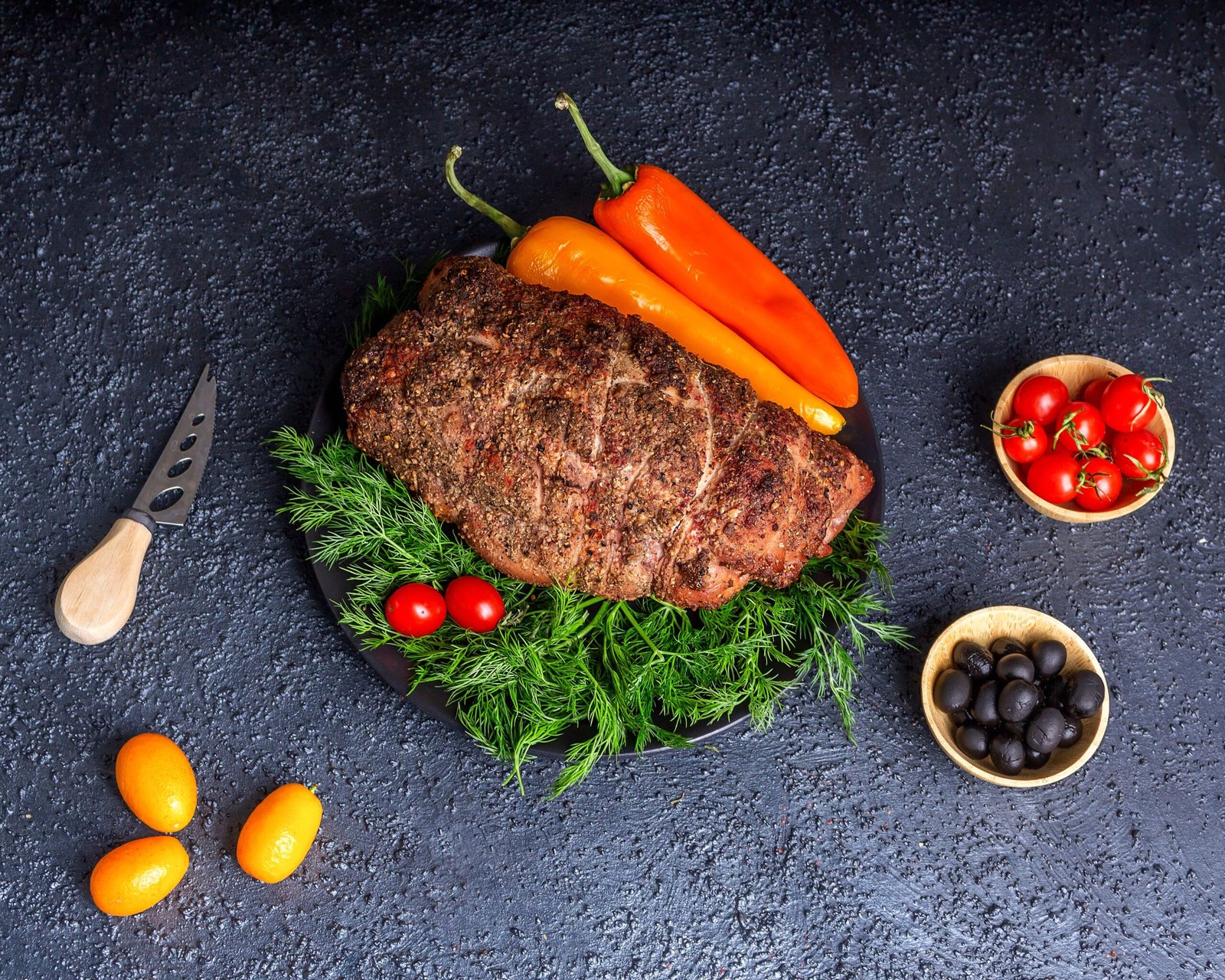
Pepperoncini are mild, tangy peppers popular in Italian and Greek-inspired cooking. Recognized by their yellow-green color, slightly wrinkled skin, and refreshing vinegar flavor, these peppers add a distinctive touch to salads, sandwiches, pizzas, antipasto platters, and slow-cooked meals. Although they are often served pickled in jars, pepperoncini can also be grown fresh and incorporated into a variety of recipes.
In 2026, interest in pepperoncini continues among home cooks and food enthusiasts looking for ingredients that deliver flavor without the intense heat of hotter chili peppers. Understanding what pepperoncini are, how they taste, their nutritional value, and how to use them safely can help you make the most of this versatile ingredient.
What Are Pepperoncini?
Pepperoncini are mild chili peppers commonly associated with Italian and Greek cuisines. They are sometimes called peperoncini, Greek peppers, or golden Greek peppers, although names can vary by region, variety, and product labeling. The peppers are generally small, slender, and tapered, with a light green, yellow-green, or golden appearance.
In grocery stores, pepperoncini are most often sold pickled in a vinegar-based brine. Pickling gives them their characteristic tangy flavor while helping preserve the peppers. Fresh pepperoncini can have a greener, more vegetal taste, whereas pickled varieties are typically sharper, saltier, and sometimes slightly sweet.
One reason pepperoncini are popular is their relatively mild heat. They offer a gentle peppery sensation rather than the strong burn associated with many jalapeños or habaneros. However, heat levels vary by variety and growing conditions, so individual peppers may taste slightly different.
Pepperoncini should not be confused with pepperoni, the cured meat commonly used on pizza. Despite their similar names, they are entirely different foods. Pepperoncini are vegetables used to add acidity, texture, and mild spice to meals.
What Do Pepperoncini Taste Like?
The flavor of pepperoncini is best described as tangy, mildly spicy, slightly sweet, and refreshing. Pickled versions have a noticeable vinegar taste balanced by the natural flavor of the pepper. Their flesh is usually tender but retains enough firmness to provide a pleasant bite.
The exact flavor depends on whether the peppers are fresh or pickled and on the ingredients used in the brine. Some products contain only peppers, water, vinegar, and salt, while others include preservatives, spices, or sweeteners. Checking the ingredient label helps explain why one brand may taste sharper or saltier than another.
Pepperoncini are particularly useful when a dish feels rich or heavy. Their acidity can balance fatty meats, creamy dressings, cheese, and hearty sandwiches. Chopped peppers also add contrast to pasta salads, grain bowls, and roasted vegetables without overwhelming the other ingredients.
For people who enjoy the flavor of chili peppers but prefer less heat, pepperoncini offer a practical middle ground. They contribute character and brightness while allowing the main ingredients to remain the focus of the meal.
Pepperoncini Nutrition and Potential Health Benefits
Pepperoncini can fit into a balanced diet, particularly when used as a flavorful addition rather than eaten in large quantities. Plain peppers are generally low in calories, and they can contribute small amounts of fiber and vitamins. Peppers also contain plant compounds that contribute to their color and nutritional profile.
Low calorie content is one potential advantage. A modest serving of pickled pepperoncini can add a strong flavor without contributing many calories, although the exact amount depends on the product and serving size.
Fresh peppers can provide vitamin C, which supports normal immune function, collagen formation, and iron absorption. The amount available in a serving depends on the pepper variety, ripeness, storage, and processing. Pickling and storage can change nutrient levels, so fresh and jarred peppers should not be assumed to have identical nutritional profiles.
Another benefit is their ability to make meals more interesting without relying exclusively on rich sauces. Adding a few sliced peppers to a salad, sandwich, or vegetable dish can introduce acidity and flavor that improve the overall eating experience.
However, pickled pepperoncini can contain substantial sodium. Nutrition records for individual products show that sodium levels vary considerably, making the package label an important guide. People who need to limit sodium for medical reasons should pay attention to serving sizes and consider lower-sodium products when available.
Pepperoncini are not a treatment for disease, and eating them alone does not guarantee weight loss or improved health. Their greatest value comes from including them as part of a varied diet containing vegetables, fruits, whole grains, protein sources, and other nutrient-rich foods.
How to Use Pepperoncini in Everyday Cooking
Pepperoncini are versatile because they combine acidity, mild heat, and a distinctive texture. They can be served whole, sliced into rings, or chopped into smaller pieces, depending on the recipe.
- Salads: Add sliced pepperoncini to Greek-style salads, garden salads, pasta salads, or grain bowls for a bright, tangy flavor.
- Sandwiches and wraps: Layer them into deli sandwiches, chicken wraps, burgers, and vegetarian sandwiches to balance rich fillings.
- Pizza: Use sliced peppers as a topping alongside mozzarella, olives, onions, mushrooms, or grilled chicken.
- Antipasto platters: Serve whole pepperoncini with olives, cheese, cured meats, and marinated vegetables.
- Slow-cooked meals: Add them to suitable beef, chicken, or pork recipes to introduce acidity and pepper flavor. Adjust the brine and other seasonings to prevent excessive saltiness.
- Dressings and sauces: Chop the peppers finely or use a small amount of their brine in vinaigrettes, marinades, and sauces.
A useful cooking tip is to taste the dish before adding extra salt. Pepperoncini and their brine may already provide plenty of sodium. If the vinegar flavor becomes too strong, balance it with a little olive oil, broth, or another appropriate ingredient.
Pepperoncini vs. Banana Peppers and Jalapeños
Pepperoncini, banana peppers, and jalapeños can all be used to add flavor to meals, but they are not identical.
Pepperoncini are generally mild, tangy, and commonly sold pickled whole. They work especially well with Mediterranean-inspired dishes, sandwiches, and meat-based meals.
Banana peppers are also mild and often have a sweet, slightly tangy flavor. Their smooth, elongated shape makes them popular in salads, pizzas, and sandwich toppings. Depending on the variety, their taste may be sweeter or less peppery than pepperoncini.
Jalapeños generally offer more noticeable heat, although their intensity varies. They are frequently used in Mexican-inspired dishes, salsas, nachos, and spicy sauces.
The best choice depends on the flavor you want. Choose pepperoncini for a mild, vinegary bite, banana peppers for a similarly gentle but often sweeter taste, and jalapeños when you want a stronger spicy kick.
How to Store Pepperoncini and Use Them Safely
Unopened commercially packaged pepperoncini should be stored according to the manufacturer’s instructions. Once opened, most refrigerated pickled peppers should be kept in the refrigerator, with the peppers covered by their brine when the product instructions specify this. Use clean utensils, close the lid securely, and follow the package’s storage and use-by guidance.
Discard a jar if its seal is compromised before opening, the container is damaged, or the contents show unusual changes such as unexpected mold, leakage, or an abnormal odor. Do not taste questionable food to determine whether it is safe.
For home pickling, use a tested, research-based recipe with the specified vinegar acidity and ingredient proportions. Changing the vinegar-to-water ratio can make a preserved product unsafe. Colorado State University Extension provides guidance on safe pepper-pickling practices.
Important 2026 food-safety update: A limited voluntary recall announced in September 2026 concerns Mezzetta Golden Greek Peperoncini, Medium Heat, 32-ounce jars, SKU 10106328, lot 720106, because of a possible pest contaminant. If you have a jar matching all these details, do not eat it; contact Mezzetta at CustomerSupport@Mezzetta.com for assistance. The announced recall applies to the specified lot, not automatically to every pepperoncini product or every Mezzetta jar. Check the FDA recall notice for the latest information.
Conclusion
Pepperoncini are a flavorful, versatile ingredient that brings mild heat, tanginess, and texture to many everyday meals. From salads and pizzas to sandwiches, antipasto platters, and slow-cooked dishes, these peppers can enhance recipes without overpowering other ingredients.
They are generally low in calories, but pickled varieties may contain considerable sodium, so checking nutrition labels is worthwhile. Proper refrigeration, careful handling, and attention to food recalls are also important when using jarred peppers.
Whether you enjoy them whole, sliced, or incorporated into a homemade recipe, pepperoncini offer a simple way to add a distinctive Mediterranean-inspired touch to your cooking in 2026.
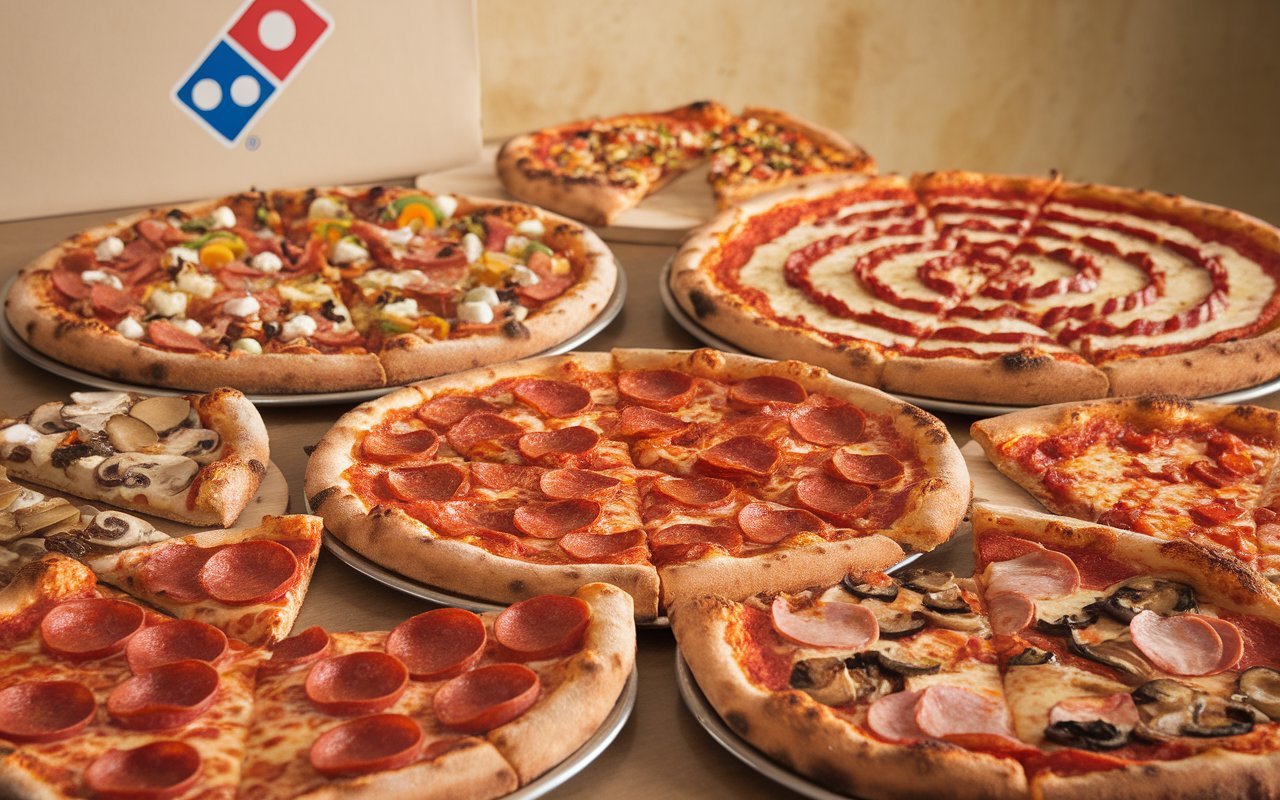
When we talk about loaded vegetarian pizzas, Domino’s Extravaganza stands out for its combination of vegetables, cheese, herbs, and contrasting flavors. Available on Domino’s India menus, the pizza brings together black olives, capsicum, onion, grilled mushroom, golden corn, tomato, jalapeño, and extra cheese. The combination is designed for diners who want a vegetarian pizza with several toppings rather than a simple cheese-based option.
In 2026, the Veg Extravaganza remains listed across multiple Domino’s India locations, although menus, prices, promotions, and availability can vary by store. For anyone searching for Domino’s Extravaganza, understanding its ingredients, flavor profile, customization options, size choices, and ordering considerations makes it easier to decide whether this loaded pizza matches their preferences.
What Is Domino’s Veg Extravaganza?
Domino’s Veg Extravaganza is a vegetarian pizza offered by Domino’s India. Its defining feature is the variety of toppings used together on the pizza. According to current Domino’s India menu listings, the pizza includes black olives, capsicum, onion, grilled mushroom, corn, tomato, jalapeño, and extra cheese.
Rather than relying on one dominant topping, the Veg Extravaganza combines several ingredients with different textures and flavors. The vegetables contribute freshness and crunch, grilled mushroom provides a deeper savory note, black olives add saltiness, jalapeño contributes heat, and extra cheese creates a richer finish.
This makes the pizza particularly relevant for people who want a fully loaded vegetarian pizza with multiple toppings in every bite.
Domino’s Extravaganza Ingredients and Toppings
The topping combination is the most important feature of the Veg Extravaganza pizza. Domino’s current menu description identifies eight major components: black olives, capsicum, onion, grilled mushroom, corn, tomato, jalapeño, and extra cheese.
Each ingredient contributes something different. Black olives provide a savory and slightly salty flavor, while capsicum introduces a crisp vegetable texture. Onion adds aromatic sweetness when cooked, and grilled mushroom brings an earthy, savory quality. Golden corn contributes natural sweetness and a pleasant bite.
Tomato adds freshness and acidity, helping balance the richer toppings and cheese. Jalapeño provides a noticeable spicy element for diners who enjoy heat. Finally, the extra cheese ties the ingredients together and gives the pizza its richer, indulgent character.
The combination is therefore more complex than a basic vegetable pizza. Instead of concentrating on one or two ingredients, Domino’s builds the Extravaganza around variety and contrast.
What Does Veg Extravaganza Taste Like?
The taste of Domino’s Extravaganza depends on the interaction between its vegetables, cheese, sauce, and selected crust. We can expect several flavor sensations within the same slice.
The corn and onion contribute sweetness, while tomato introduces a fresher, slightly acidic note. Mushrooms add savory depth, and olives bring saltiness. Jalapeño can provide a spicy kick that cuts through the richness of the cheese.
The result is a pizza that can move between sweet, savory, salty, spicy, and creamy flavors rather than delivering one uniform taste. The vegetables also create a range of textures, from crisp capsicum and corn to softer mushrooms and melted cheese.
For diners who prefer milder food, the jalapeño can be a consideration. For people who enjoy a more exciting vegetarian pizza, its presence gives the Extravaganza additional character.
Crust and Size Choices for Domino’s Extravaganza
The final experience is influenced not only by toppings but also by pizza size and crust. Domino’s India has described multiple crust choices, including New Hand Tossed, Fresh Pan Pizza, Cheese Burst, and Wheat Thin Crust, although available choices can depend on the individual pizza and current local menu.
A hand-tossed style can provide a familiar balance between crust and toppings. A pan-style crust generally creates a thicker, richer base, while a cheese-filled option adds another layer of richness. A thin crust changes the balance by placing greater emphasis on the toppings.
Size is equally important when ordering for more than one person. Domino’s India has previously described Regular, Medium, and Large sizes, with serving capacity increasing according to size. Current availability and specifications should always be checked on the local ordering menu before placing an order.
For an individual meal, a smaller size may be sufficient, while a larger pizza can work better when several people are sharing.
Domino’s Extravaganza Price and Availability in 2026
One important point about Domino’s Extravaganza price is that there is no single universal price that should be treated as current everywhere. Domino’s menus can differ according to location, promotions, taxes, delivery charges, size, and other ordering conditions.
Domino’s historical India pricing information listed the Veg Extravaganza at ₹249 for Regular, ₹459 for Medium, and ₹699 for Large, but that published pricing information is older and should not be treated as a guaranteed 2026 price.
Current Domino’s India location menus continue to show Veg Extravaganza, confirming that the pizza remains available in multiple markets.
For the most accurate 2026 price, we should select the relevant delivery location and check the live Domino’s menu. Promotions and meal deals can also change the final amount.
How Does Veg Extravaganza Compare With Other Vegetarian Domino’s Pizzas?
Domino’s India offers several vegetarian pizzas with very different topping combinations. Farmhouse, for example, features onion, capsicum, tomato, and grilled mushroom. Deluxe Veggie combines onion, capsicum, grilled mushroom, corn, and paneer. Veggie Paradise focuses on golden corn, black olives, capsicum, and red paprika.
The Veg Extravaganza takes the loaded approach further by combining black olives, capsicum, onion, grilled mushroom, corn, tomato, jalapeño, and extra cheese. That makes it one of the more ingredient-heavy vegetarian combinations on the menu.
The right choice depends on what we want from the pizza. Someone looking for a simpler vegetable combination may prefer Farmhouse, while someone wanting paneer might select Deluxe Veggie. Those who enjoy more toppings, extra cheese, and a mixture of sweet, savory, and spicy flavors may find the Extravaganza more suitable.
Best Ways to Enjoy Domino’s Veg Extravaganza
The Veg Extravaganza can be enjoyed on its own, but it can also be paired with sides and beverages for a larger meal. Because the pizza already contains numerous toppings and extra cheese, lighter sides can provide balance.
For a group order, the pizza also works well alongside other styles. We can combine one loaded vegetarian pizza with a simpler cheese pizza or a different vegetarian option so that everyone has a choice.
Customization can also matter. If we prefer less heat, we can check whether the current local ordering system permits relevant modifications. If we enjoy spice, jalapeño provides a natural source of heat, while additional seasonings can further change the flavor.
We should also remember that ingredients and customization availability may vary by location, so the local Domino’s ordering interface is the appropriate place to confirm what can currently be changed.
Frequently Asked Questions About Domino’s Extravaganza
Is Domino’s Extravaganza vegetarian?
Yes. The Veg Extravaganza listed on Domino’s India menus is a vegetarian pizza featuring vegetables, black olives, jalapeño, and extra cheese.
What toppings are on Domino’s Veg Extravaganza?
The current Domino’s India menu describes it with black olives, capsicum, onion, grilled mushroom, corn, tomato, jalapeño, and extra cheese.
Is Veg Extravaganza spicy?
It can have a spicy element because it contains jalapeño. The overall heat level can vary according to the amount of jalapeño and other seasonings used.
How much does Domino’s Extravaganza cost in 2026?
The price depends on location, size, promotions, and current menu pricing. Older Domino’s India pricing information listed ₹249, ₹459, and ₹699 for Regular, Medium, and Large respectively, but those figures should not be assumed to be the current 2026 prices.
What makes Veg Extravaganza different?
Its main distinction is the large combination of toppings. Unlike pizzas built around just a few vegetables, it combines olives, capsicum, onion, mushroom, corn, tomato, jalapeño, and extra cheese.
Is Veg Extravaganza available at every Domino’s location?
Availability can vary by location and current menu. Multiple Domino’s India store menus currently list the pizza, but checking the menu for the specific delivery location is the most reliable way to confirm availability.
Conclusion
Domino’s Extravaganza is built around abundance: more vegetables, more contrasting flavors, and extra cheese. With black olives, capsicum, onion, grilled mushroom, corn, tomato, jalapeño, and extra cheese, it offers a layered vegetarian pizza experience rather than a simple topping combination.
In 2026, the pizza continues to appear on Domino’s India menus in multiple locations. Because prices, offers, sizes, crust options, and availability can change, we should check the local Domino’s menu before ordering. For anyone searching for a loaded vegetarian pizza with a mixture of sweet, savory, fresh, salty, spicy, and cheesy flavors, the Veg Extravaganza remains a distinctive option to explore.


 Food4 months ago
Best Empanada Tucumana Near Me: The Ultimate 2026 Guide to Finding Authentic Argentine Empanadas
- News4 months ago
Marcy Wudarski: Everything You Need to Know About James Gandolfini’s First Wife
- celebrity4 months ago
Matewa Kiritapu: Everything You Need to Know
- celebrity3 months ago
Viva Street Croydon: The Complete 2026 Guide to Buying, Selling, Jobs, and Local Deals
- celebrity4 months ago
Marie-France Ward: A Complete Biography, Career, Life Story, and Legacy
- celebrity4 months ago
Brent Power: A Complete Guide to Understanding Its Meaning, Importance, and Modern Applications
- Tech4 months ago
Almawadahit.com Tech: The Complete 2026 Guide to Technology News, Digital Trends, Reviews, and Online Resources
- celebrity4 months ago
Barbara Joyce Rupard: A Thoughtful Look at Her Life, Legacy, and Public Interest