Flower
Orchid Mantis: Appearance, Habitat, Diet, and Fascinating Facts

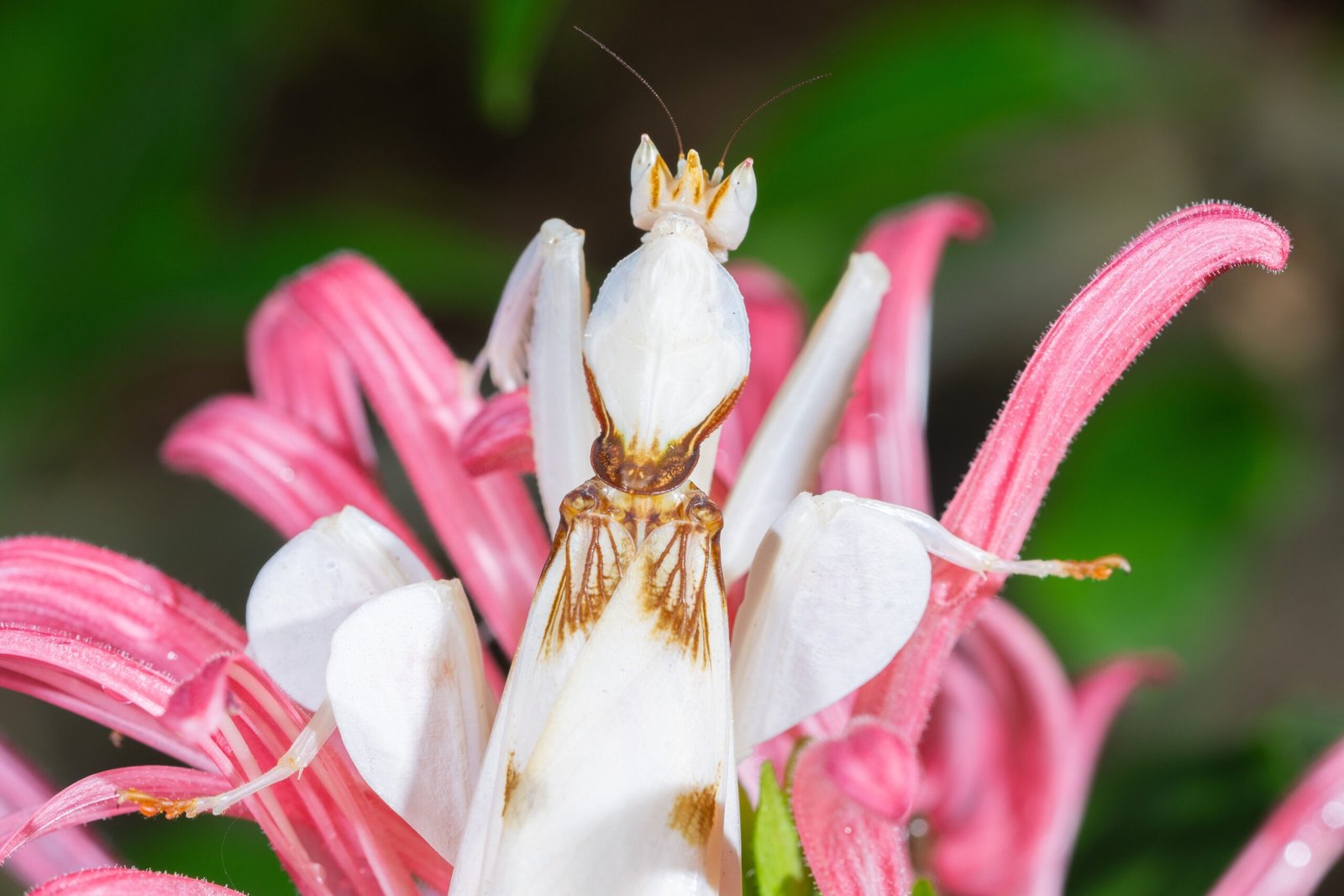
The orchid mantis is one of the most fascinating insects in the natural world. Known scientifically as Hymenopus coronatus , this remarkable insect looks remarkably similar to an orchid flower. Its beautiful pink-and-white appearance makes it difficult to distinguish from flowers in its surroundings.
However, the orchid mantis is more than just a beautiful insect. It is a skilled predator that uses its flower-like appearance to attract unsuspecting insects. From its unique hunting strategy to its unusual body structure, the orchid mantis offers an incredible example of how animals adapt to survive in nature.
What Is an Orchid Mantis?
The orchid mantis is a species of praying mantis belonging to the order Mantodea. It is famous for its petal-shaped legs, pale body colors, and ability to resemble a flower. These features help it approach prey without immediately attracting attention.
Unlike many insects that rely on speed to catch food, the orchid mantis often waits patiently for prey to come within reach. It then uses its strong, spiny front legs to grab the target quickly. This combination of camouflage and ambush hunting makes it a particularly interesting predator.
Where Does the Orchid Mantis Live?
The orchid mantis is native to Southeast Asia, including regions of Malaysia and Indonesia. It inhabits warm, humid tropical environments where flowering plants and other vegetation provide suitable places to hide and hunt. These habitats also support the insects that make up its diet.
Despite its name, the orchid mantis does not need to live exclusively on orchid flowers. It can be found on green vegetation and other plants as well. Its flower-like body helps it remain inconspicuous while waiting for potential prey to approach.
What Does an Orchid Mantis Look Like?
The orchid mantis has a distinctive appearance that separates it from most other praying mantises. Its body is usually white or pinkish, with enlarged, petal-like structures on its legs. These structures create the impression of a delicate flower rather than a predatory insect.
Adult females are generally much larger than males. Females commonly reach around 6–7 centimeters in length, while males may measure approximately 2–3 centimeters. This striking difference in body size is one of the species’ most recognizable characteristics.
How Does Orchid Mantis Camouflage Work?
Camouflage is one of the most important features of the orchid mantis. Its unusual body shape and coloration make it resemble a flower, allowing it to remain visually convincing in environments where pollinating insects search for food. This strategy can help the mantis avoid predators and capture prey.
Scientists have also discovered that the orchid mantis can attract pollinating insects rather than simply hide among flowers. Research published in The American Naturalist in 2014 found that wild pollinators were attracted to orchid mantises at rates higher than those observed for flowers in the study. This behavior is known as aggressive mimicry , in which an animal uses resemblance or deception to attract its prey.
What Does an Orchid Mantis Eat?
The orchid mantis is a carnivorous insect that feeds mainly on other insects. Its diet can include flies, bees, butterflies, and other suitably sized prey. Rather than eating plants like its namesake flower might suggest, it depends on catching living animals for nutrition.
Its hunting method is simple but effective. The mantis stays still while potential prey approaches, then strikes with its specialized front legs. Once captured, the insect holds its prey firmly and feeds on it, helping the mantis obtain the nutrients it needs to grow and develop.
How Does an Orchid Mantis Hunt?
The orchid mantis uses a sit-and-wait hunting strategy. It positions itself where insects are likely to pass and relies on its flower-like appearance to make an approaching target less cautious. When an insect moves within striking distance, the mantis rapidly extends its front legs to capture it.
For example, a bee searching for nectar may approach what appears to be a flower without recognizing the danger. The mantis can then seize the bee before it has much time to escape. This remarkable hunting technique demonstrates how appearance can become a powerful tool for a predator.
Orchid Mantis Life Cycle
Like other praying mantises, the orchid mantis develops through several stages: egg, nymph, and adult. The female lays eggs inside a protective egg case called an ootheca. After incubation, tiny nymphs emerge and begin feeding on appropriately sized prey.
As the nymphs grow, they shed their external skeleton through a process known as molting. They repeat this process several times before reaching adulthood. Successful development depends on suitable temperatures, humidity, access to food, and protection from predators.
How Long Does an Orchid Mantis Live?
The lifespan of an orchid mantis varies according to sex and environmental conditions. Some individuals may live for several months, while others can survive for around a year or longer under favorable conditions. Females generally live longer than males in many reported observations.
Food availability, temperature, humidity, and overall health can influence how long an individual survives. Captive lifespan may also differ from lifespan in the wild because environmental conditions and feeding opportunities are not identical.
Are Orchid Mantises Dangerous?
Orchid mantises are not considered dangerous to humans. They do not possess venom designed to harm people, and they generally have no reason to attack humans. Their powerful front legs are adapted for catching small prey rather than defending themselves against large animals.
However, an orchid mantis may attempt to grasp a finger if it mistakes it for something worth investigating or feels threatened. Its spiny legs can cause minor discomfort, so handling should be gentle and unnecessary contact should be avoided. Like other delicate insects, it is best observed without disturbing it.
Can You Keep an Orchid Mantis as a Pet?
Some insect enthusiasts keep orchid mantises in captivity because of their unusual appearance and fascinating behavior. However, this species requires appropriate care, including suitable temperatures, controlled humidity, proper ventilation, and a reliable supply of live prey. It is not necessarily the easiest choice for a beginner.
Anyone considering keeping an orchid mantis should research its husbandry requirements carefully before acquiring one. It is also important to check local wildlife regulations and purchase captive-bred specimens from responsible sources where legally available. Wild collection and unsuitable housing can negatively affect animal welfare.
Why Is the Orchid Mantis Important to Nature?
The orchid mantis is a predator within its ecosystem, helping influence populations of insects that it captures for food. At the same time, it may become prey for larger animals. Its role illustrates the interconnected relationships that exist among insects, plants, and other wildlife.
Its unusual camouflage also makes the species valuable for scientific research. Studying how its colors and body structures evolved can help researchers better understand animal adaptation, visual communication, and the evolution of predatory strategies. Research into this species provides an especially interesting example of how natural selection can produce unexpected forms.
Interesting Facts About the Orchid Mantis
The orchid mantis has several characteristics that make it stand out among insects. Its flower-like appearance is not simply decorative; it plays an important role in hunting and survival. Here are some fascinating facts about this remarkable species:
- Scientific name: Hymenopus coronatus .
- Natural range: Southeast Asia, including Malaysia and Indonesia.
- Typical colors: White, pinkish, and other pale shades.
- Diet: Primarily insects and other suitable small prey.
- Special adaptation: Enlarged, petal-like structures on its legs.
- Hunting method: Ambush predation supported by flower-like mimicry.
- Body size: Females are usually considerably larger than males.
- Development: Egg, nymph, and adult stages, with repeated molting during growth.
These characteristics show why the orchid mantis attracts attention from scientists, photographers, and insect enthusiasts. It combines an unusual appearance with a highly specialized way of finding food.
Orchid Mantis vs. Regular Praying Mantis
Although both insects belong to the praying mantis group, their appearance and hunting adaptations can differ significantly. A typical praying mantis often has a green or brown body that blends into leaves and branches. The orchid mantis, in contrast, has petal-like structures and pale colors that create a flower-like appearance.
Both types use specialized front legs to catch prey and depend on quick strikes during hunting. The main difference is how their bodies help them approach or conceal themselves from potential prey and predators. The orchid mantis is especially notable for its ability to attract pollinating insects through floral deception.
Frequently Asked Questions About Orchid Mantis
Is the orchid mantis a real insect?
Yes, the orchid mantis is a real species of praying mantis. Its scientific name is Hymenopus coronatus , and it is native to Southeast Asia. Its unusual flower-like appearance is a natural adaptation rather than an artificial feature.
Why does the orchid mantis look like a flower?
Its pale coloration and petal-shaped body structures help it resemble a flower. This appearance can help it avoid detection and attract insects that visit flowers. Researchers have experimentally demonstrated that its resemblance can help lure pollinators within striking distance.
What is the main food of an orchid mantis?
The orchid mantis mainly eats insects, including flies and other suitable prey. It catches them using its specialized front legs. Its diet depends on the size of the mantis and the availability of prey.
Is the orchid mantis rare?
The species is unusual in appearance, but that does not automatically mean it is endangered. Its conservation status should be assessed using reliable species-specific information rather than its popularity or rarity in the pet trade. Habitat conditions and wild population data are important considerations.
Can an orchid mantis change its color?
Orchid mantises can show different colors, including white, pink, and other shades. However, they should not be thought of as changing color instantly like a chameleon. Changes associated with development and environmental conditions can take time.
Is an orchid mantis suitable for beginners?
It may not be the best first insect for someone with no experience keeping mantises. Its care requires attention to humidity, temperature, ventilation, and feeding. Beginners should learn the species’ specific needs before deciding whether to keep one.
Conclusion
The orchid mantis is an extraordinary insect that combines flower-like beauty with an effective predatory strategy. Native to Southeast Asia, it uses its unusual shape and coloration to attract unsuspecting insects and capture them with remarkable speed. Its development, hunting behavior, and size differences between males and females make it an especially interesting subject for nature lovers.
Learning about the orchid mantis also reveals how evolution can produce specialized adaptations that improve an animal’s chances of survival. Whether you are researching insects, exploring wildlife, or simply curious about unusual creatures, the orchid mantis offers a fascinating example of nature’s creativity and complexity.



 Food3 months ago
Best Empanada Tucumana Near Me: The Ultimate 2026 Guide to Finding Authentic Argentine Empanadas
- News4 months ago
Marcy Wudarski: Everything You Need to Know About James Gandolfini’s First Wife
- celebrity4 months ago
Matewa Kiritapu: Everything You Need to Know
- celebrity3 months ago
Viva Street Croydon: The Complete 2026 Guide to Buying, Selling, Jobs, and Local Deals
- celebrity4 months ago
Marie-France Ward: A Complete Biography, Career, Life Story, and Legacy
- celebrity4 months ago
Brent Power: A Complete Guide to Understanding Its Meaning, Importance, and Modern Applications
- Tech3 months ago
Almawadahit.com Tech: The Complete 2026 Guide to Technology News, Digital Trends, Reviews, and Online Resources
- Food3 months ago
Best Tarta de Pollo Near Me: The Ultimate 2026 Guide to Finding Authentic Chicken Pie