Health
Total Gym Workouts: Complete Guide to Building Strength, Muscle, and Fitness in 2026

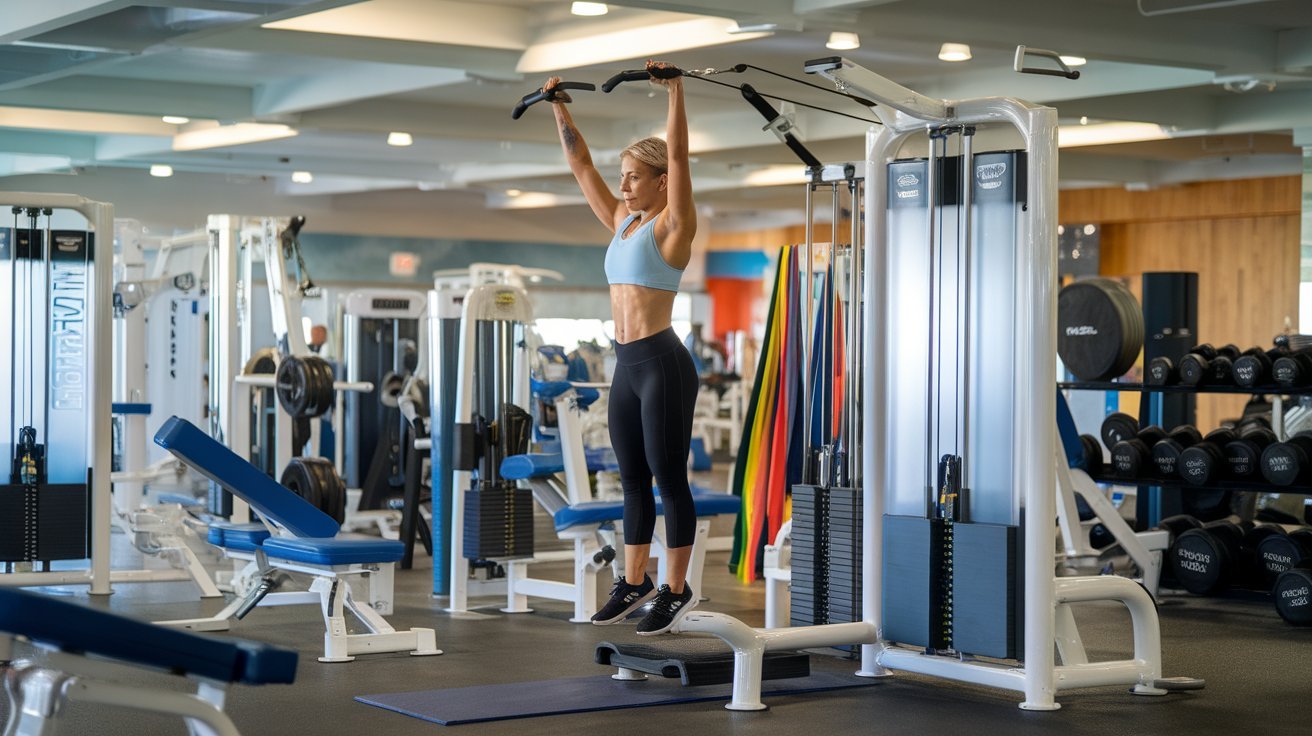
Total Gym workouts provide a versatile way to train the entire body using one compact piece of equipment. Instead of relying on a large collection of weight machines, a Total Gym uses an adjustable glideboard and body weight, often combined with resistance from cables and accessories, to create exercises for the chest, back, shoulders, arms, legs, core, and cardiovascular system.
The system has become popular among home exercisers because we can change the angle of the glideboard to alter resistance and difficulty. This makes it possible to perform beginner-friendly movements as well as challenging exercises without requiring a traditional gym setup. A well-designed Total Gym routine can support strength development, muscular endurance, mobility, balance, and general fitness.
Whether our goal is losing body fat, building lean muscle, improving functional strength, or simply creating a consistent home workout routine, the key is using progressive and well-structured training rather than performing random exercises.
What Are Total Gym Workouts?
Total Gym workouts are resistance-training sessions performed on a Total Gym-style glideboard system. The equipment uses the user’s body weight as the primary resistance, with the incline determining how much effort is required.
When we raise the glideboard to a higher level, the exercise generally becomes more challenging because we are working against a greater portion of our body weight. Lower settings can make many movements more accessible to beginners.
This adjustable resistance is one of the main advantages of the system. We can use the same basic movement while changing the difficulty according to our fitness level.
Total Gym exercises can include presses, rows, squats, lunges, pulls, curls, triceps movements, abdominal exercises, and integrated full-body movements. Depending on the model and accessories available, we can also incorporate resistance bands, weight bars, dip bars, Pilates accessories, or other attachments.
The result is a training platform that can support both isolated movements and compound exercises.
Best Total Gym Exercises for a Full-Body Workout
A good Total Gym routine should include movements that collectively train the major muscle groups. Rather than concentrating only on visible muscles such as the chest and arms, we should build a balanced program that includes the lower body, upper body, core, and posterior chain.
For the upper body, Total Gym chest presses and push-up variations can train the pectoral muscles, shoulders, and triceps. Rowing movements provide an important counterbalance by training the upper back and biceps. Pulling exercises are especially useful because balanced programs should include both pushing and pulling patterns.
For the lower body, Total Gym squats, split squats, and lunges can challenge the quadriceps, glutes, and hamstrings. The adjustable glideboard allows us to modify the difficulty so that beginners can establish good movement mechanics before progressing.
Core exercises can include crunch variations, planks, pikes, and rotational movements where appropriate. The goal should not be to perform hundreds of repetitions but to maintain controlled movement and proper trunk stability.
A practical full-body session might include:
- Total Gym squats
- Chest presses
- Seated or standing rows
- Lunges
- Biceps curls
- Triceps extensions
- Core crunches or planks
This combination provides a foundation for training most major muscle groups.
Total Gym Workouts for Beginners
Beginners should focus on technique, consistency, and gradual progression rather than immediately selecting the highest resistance setting.
We can start with approximately 20–30 minutes of training two or three times per week. Each session should begin with several minutes of easy movement and mobility to prepare the body for exercise.
For the first few weeks, approximately one or two sets per exercise can be sufficient. A moderate repetition range—often around 8–15 controlled repetitions for resistance exercises—can provide a practical starting point, although the appropriate number varies according to the movement and individual ability.
The resistance should be challenging while allowing us to maintain good form. If we have to jerk the cables, hold our breath excessively, or lose control of the glideboard to complete a repetition, the exercise is probably too difficult.
As our technique improves, we can gradually increase the incline, repetitions, sets, or training complexity. This principle of progressive overload is essential for continued improvement.
Beginners should also avoid training the same muscles intensely every day. Recovery is an important component of strength development.
Total Gym Workouts for Muscle Building and Strength
A Total Gym can be used for muscle-building workouts when we apply sufficient resistance and progressive training. The most important factor is not simply how many exercises we perform but whether the muscles are receiving an appropriate training stimulus.
We can emphasize compound movements such as squats, presses, and rows before adding smaller isolation exercises. Compound movements allow multiple joints and muscle groups to work together and can make workouts more time-efficient.
For muscle growth, we should gradually increase training difficulty. This may involve raising the glideboard angle, increasing repetitions, adding sets, slowing the eccentric portion of an exercise, or using suitable accessories.
Nutrition and recovery also matter. Adequate protein, sufficient calories for the individual’s goal, hydration, and quality sleep can support the body’s adaptation to resistance training.
We should also recognize that Total Gym resistance is different from lifting a fixed external weight. The exact resistance experienced during a movement depends on body position, glideboard angle, exercise mechanics, and the equipment configuration.
Total Gym Workouts for Weight Loss and Fitness
Total Gym workouts can contribute to weight management by helping us increase physical activity and preserve or develop muscle through resistance training. However, fat loss ultimately depends on overall energy balance rather than a particular piece of exercise equipment.
A useful approach is to combine resistance sessions with regular walking, cycling, jogging, sports, or other cardiovascular activity. We can also perform Total Gym circuits to increase the overall density of a workout.
For example, we might perform a set of squats, followed by chest presses, rows, lunges, and core work with relatively short rest periods. This creates a full-body conditioning session while still incorporating resistance training.
However, we should not sacrifice exercise quality simply to increase calorie expenditure. Controlled repetitions and appropriate resistance remain more important than rushing through movements.
A sustainable routine that we can perform consistently is generally more useful than an extremely demanding program that leads to excessive fatigue or causes us to quit.
How to Create a Total Gym Weekly Workout Plan
A balanced weekly schedule should allow muscles enough time to recover. For many people, three full-body Total Gym sessions per week provide a practical starting point.
One example is:
Monday — Full Body Strength:
Squats, chest presses, rows, lunges, curls, triceps work, and core exercises.
Wednesday — Full Body Conditioning:
Moderate-resistance compound exercises performed in a circuit format.
Friday — Full Body Strength:
Repeat the major movement patterns while gradually increasing difficulty.
On the other days, we can incorporate walking, mobility work, stretching, recreational activities, or cardiovascular exercise according to our goals.
More experienced users may prefer upper/lower or other split routines, but a full-body approach remains highly effective for many home exercisers.
We should track workouts so that progression becomes measurable. Recording the incline level, sets, repetitions, and exercise variations makes it easier to determine whether performance is improving.
Total Gym Workout Safety and Common Mistakes
Proper setup is essential. Before exercising, we should make sure the equipment is positioned on a stable, level surface and that cables, attachments, pins, and other components are correctly installed according to the manufacturer’s instructions.
One of the most common mistakes is progressing too quickly. Increasing resistance before mastering technique can reduce exercise quality and increase unnecessary strain.
Another mistake is neglecting pulling exercises. Some home workouts become heavily focused on pushing movements such as presses and push-ups. Including sufficient rows and other pulling patterns helps create a more balanced program.
We should also avoid excessive volume. More exercise is not automatically better. Muscles require adequate recovery to adapt.
Anyone experiencing sharp pain, dizziness, unusual shortness of breath, or other concerning symptoms should stop exercising and seek appropriate medical advice. People with significant medical conditions or injuries should obtain professional guidance before beginning a demanding exercise program.
Conclusion
Total Gym workouts offer an adaptable approach to home resistance training. With adjustable body-weight resistance and a wide range of possible movements, the equipment can support beginners, intermediate exercisers, and experienced users.
The most effective routine is one that combines full-body movements, progressive overload, proper technique, adequate recovery, and consistency. We can use exercises such as squats, presses, rows, lunges, curls, triceps movements, and core exercises to build a balanced program without requiring a large collection of traditional gym machines.
For general fitness, three well-planned sessions per week can provide a strong foundation. As our fitness improves, we can progressively increase the challenge while maintaining controlled technique.
Ultimately, the value of Total Gym training comes from how intelligently we use the equipment. By establishing realistic goals, tracking progress, recovering properly, and maintaining consistent workouts, we can turn a compact home-training system into a highly effective part of a long-term strength and fitness routine.
Frequently Asked Questions
Can Total Gym workouts build muscle?
Yes. Total Gym resistance exercises can contribute to muscle growth when the muscles receive sufficient training stimulus and we progressively increase the challenge over time.
How often should we do Total Gym workouts?
For many beginners, two to three full-body sessions per week are a practical starting point. More advanced schedules can be adjusted according to training volume and recovery.
Can Total Gym help with weight loss?
Total Gym workouts can increase physical activity and support muscle development, but overall calorie balance is the primary factor determining fat loss.
What are the best Total Gym exercises?
Effective choices include squats, lunges, chest presses, rows, curls, triceps exercises, and core movements. A balanced routine should train the entire body rather than focusing on one muscle group.
Is Total Gym suitable for beginners?
Yes. The adjustable resistance makes many exercises scalable. Beginners should start at an appropriate difficulty, prioritize technique, and progress gradually.
How long should a Total Gym workout last?
A productive workout can often be completed in approximately 20–45 minutes, depending on the number of exercises, sets, rest periods, and individual goals.


Sai Ram: Meaning, Spiritual Significance, Greeting and Importance in 2026

2022 Tesla Model X: Complete Guide to Performance, Range, Features, and Ownership

You Tube Country Music: The Complete Guide to Discovering, Streaming, and Enjoying Country Music in 2026

Best Empanada Tucumana Near Me: The Ultimate 2026 Guide to Finding Authentic Argentine Empanadas

Marcy Wudarski: Everything You Need to Know About James Gandolfini’s First Wife

Brent Power: A Complete Guide to Understanding Its Meaning, Importance, and Modern Applications
 Food2 months ago
Best Empanada Tucumana Near Me: The Ultimate 2026 Guide to Finding Authentic Argentine Empanadas
- News3 months ago
Marcy Wudarski: Everything You Need to Know About James Gandolfini’s First Wife
- celebrity2 months ago
Brent Power: A Complete Guide to Understanding Its Meaning, Importance, and Modern Applications
- celebrity3 months ago
Matewa Kiritapu: Everything You Need to Know
- celebrity3 months ago
Marie-France Ward: A Complete Biography, Career, Life Story, and Legacy
- Food2 months ago
Best Tarta de Pollo Near Me: The Ultimate 2026 Guide to Finding Authentic Chicken Pie
- Tech2 months ago
Almawadahit.com Tech: The Complete 2026 Guide to Technology News, Digital Trends, Reviews, and Online Resources
- celebrity2 months ago
Viva Street Croydon: The Complete 2026 Guide to Buying, Selling, Jobs, and Local Deals