
Blog
2025 Lincoln Corsair SUV: Complete Review, Specs, Features, Price, Interior, and Performance

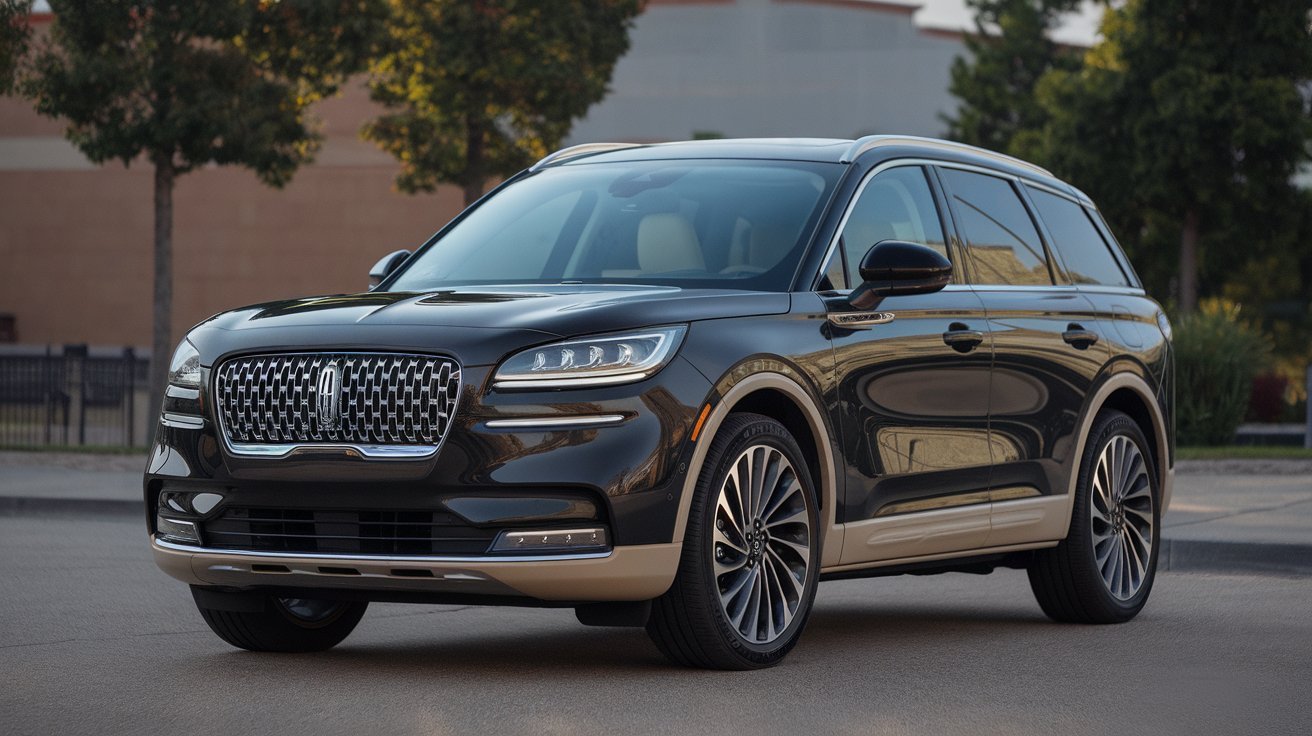
The 2025 Lincoln Corsair SUV is a compact luxury crossover designed for buyers who want a comfortable, sophisticated, and technology-rich vehicle without moving into the larger SUV classes. As Lincoln’s smallest SUV, the Corsair combines an upscale cabin with a choice of a turbocharged gasoline engine or plug-in hybrid powertrain, available all-wheel drive, advanced driver-assistance technology, and a refined ride. Lincoln continues to position the Corsair around personalized comfort, premium materials, and a relaxed driving experience.
For 2025, the Corsair remains particularly appealing to drivers who prioritize interior luxury, quiet cruising, practical cargo space, and modern technology. The lineup includes the Premiere, Reserve, and Grand Touring models, giving buyers several ways to configure the compact SUV.
2025 Lincoln Corsair Engine, Performance, and Powertrain
The standard 2025 Lincoln Corsair uses a 2.0-liter turbocharged four-cylinder engine producing 250 horsepower. It is paired with an eight-speed automatic transmission, while buyers can choose between front-wheel drive and all-wheel drive on the gasoline-powered models. The Premiere AWD specification lists 250 horsepower and 280 lb-ft of torque.
The gasoline Corsair is not primarily designed as a sporty performance SUV. Instead, Lincoln emphasizes smooth acceleration, quiet operation, and ride comfort. In independent testing, an all-wheel-drive Corsair equipped with the turbocharged four-cylinder reached 60 mph in approximately 6.1 seconds, showing that it has enough performance for everyday driving and highway merging.
For buyers looking for greater efficiency, the Corsair Grand Touring uses a 2.5-liter Atkinson-cycle plug-in-hybrid powertrain. Its combined output is 266 horsepower, with all-wheel drive and a continuously variable transmission.
The Grand Touring’s plug-in system provides an estimated 27 miles of electric-only driving range before the gasoline engine becomes necessary under normal conditions. The battery can also be recharged using household or higher-voltage charging equipment.
2025 Lincoln Corsair Fuel Economy and Driving Experience
Fuel economy depends heavily on the selected engine and drivetrain. The EPA estimates the front-wheel-drive 2.0-liter Corsair at approximately 22 mpg city and 30 mpg highway, while all-wheel drive lowers the figures to about 21 mpg city and 28 mpg highway.
The Grand Touring plug-in hybrid is substantially more efficient when its battery is regularly charged. Its EPA figures include 76 MPGe using gasoline and electricity together, while gasoline-only operation after the battery is depleted is rated around 33 mpg combined.
On the road, the Corsair’s strongest quality is its comfortable ride. The suspension is tuned more toward luxury than aggressive cornering, making the SUV well suited to commuting, long highway journeys, and daily family transportation. Drivers looking for sharper handling may find European competitors more engaging, but buyers seeking a calm and polished experience will appreciate the Corsair’s character.
2025 Lincoln Corsair Interior, Comfort, and Cargo Space
The interior is one of the strongest reasons to consider the 2025 Lincoln Corsair SUV. Lincoln gives the cabin a distinctly upscale appearance with premium materials, available leather-trimmed seating, sophisticated trim choices, ambient lighting, and numerous comfort features. The available Perfect Position front seats can provide 24-way adjustment, heating, ventilation, and massage functions, depending on configuration.
The Corsair seats five passengers and offers a sliding second-row seat, allowing owners to balance rear-passenger legroom with cargo capacity. The second row provides approximately 38.6 inches of legroom, while total passenger volume is listed at about 102.5 cubic feet.
Cargo capacity is also competitive for a compact luxury SUV. The gasoline model provides approximately 27.6 cubic feet behind the second row and about 57.6 cubic feet with the rear seats folded.
A Panoramic Vista Roof is available for buyers who want a brighter cabin and a more open feeling. Lincoln also offers storage solutions and a power liftgate, adding everyday convenience.
2025 Lincoln Corsair Technology and Safety Features
Technology plays a major role in the Corsair’s luxury experience. The SUV offers SYNC 4, enhanced voice recognition, the Lincoln Way smartphone application, Alexa Built-in, and an available Revel 3D Audio System.
One of the standout technologies is Lincoln BlueCruise, the company’s hands-free highway driving system. Lincoln states that BlueCruise can be used on designated hands-free Blue Zones covering a large portion of controlled-access highways in the United States and Canada, while the driver must continue monitoring the road.
The Corsair also offers Lincoln Co-Pilot360 driver-assistance technologies. Depending on configuration, these systems can include adaptive cruise control, lane-centering technology, blind-spot monitoring, pre-collision assistance with automatic emergency braking, and other parking and camera technologies.
This combination makes the 2025 Corsair particularly attractive to buyers who want a vehicle with a strong focus on comfort and driver assistance rather than raw performance.
2025 Lincoln Corsair Dimensions and Specifications
The 2025 Corsair has a 106.7-inch wheelbase, measures approximately 181.4 inches long, 74.3 inches wide, and 64.1 inches high in the gasoline configuration. Ground clearance is approximately 7.9 inches, giving the SUV a practical stance for normal road conditions.
| Specification | 2025 Lincoln Corsair |
|---|---|
| Seating capacity | 5 passengers |
| Standard engine | 2.0L turbocharged I-4 |
| Standard engine output | 250 hp |
| Torque | 275–280 lb-ft, depending on specification |
| Transmission | 8-speed automatic |
| Drivetrain | FWD or AWD |
| Hybrid output | 266 hp combined |
| Cargo behind second row | 27.6 cu. ft. |
| Maximum cargo volume | 57.6 cu. ft. |
| Wheelbase | 106.7 inches |
| Length | 181.4 inches |
These figures show why the Corsair works well as a compact luxury family SUV. It remains easy to maneuver in urban environments while offering enough passenger and cargo space for everyday use.
2025 Lincoln Corsair Trims, Price, and Available Options
The 2025 Corsair lineup includes Premiere, Reserve, and Grand Touring configurations. The Premiere serves as the entry point, while the Reserve adds more luxury-oriented equipment. The Grand Touring stands apart because it uses the plug-in hybrid powertrain. Lincoln’s official configuration system also lists options such as the Jet Appearance Package, Towing Package, Lincoln Co-Pilot360 Vision 2.0, and BlueCruise-equipped hands-free highway driving.
Independent pricing information places the 2025 Corsair range at roughly $41,230 to $50,690 for the gasoline lineup before considering options, while the Grand Touring carries a higher price because of its plug-in-hybrid technology.
The Jet Appearance Package is particularly useful for buyers who want a sportier visual character. It can add black exterior details and 20-inch wheels, creating a more distinctive appearance without changing the vehicle’s fundamental luxury-oriented personality.
Is the 2025 Lincoln Corsair SUV Worth Buying?
The 2025 Lincoln Corsair makes the most sense for buyers who value luxury, comfort, technology, and practicality in a relatively compact package. Its premium interior, quiet ride, useful cargo capacity, available AWD, and sophisticated driver-assistance technology give it a strong position in the compact luxury SUV market.
The standard 2.0-liter engine provides plenty of power for normal driving, while the Grand Touring plug-in hybrid offers a compelling alternative for owners who can regularly recharge the vehicle and want to complete short trips using electric power.
The Corsair is less convincing for drivers who want an aggressively sporty SUV. Competitors such as the Audi Q5, BMW X3, and Porsche Macan place greater emphasis on handling and driver engagement. The Corsair instead follows Lincoln’s traditional philosophy of creating a smooth, relaxing, premium driving environment.
Conclusion
The 2025 Lincoln Corsair SUV is a well-rounded compact luxury crossover that places comfort and refinement at the center of its design. With a 250-horsepower turbocharged engine, available AWD, a 266-horsepower plug-in-hybrid Grand Touring model, premium seating, advanced connectivity, BlueCruise technology, and flexible cargo space, it offers a broad range of features for modern SUV buyers.
For drivers who want a stylish luxury SUV for commuting, family transportation, road trips, and everyday comfort, the 2025 Lincoln Corsair remains a compelling choice. Its strongest qualities are not extreme speed or aggressive handling, but rather the combination of premium design, peaceful ride quality, useful technology, and personalized comfort that defines the Lincoln brand.

Sai Ram is a widely recognized devotional greeting associated particularly with followers of Shirdi Sai Baba and Sri Sathya Sai Baba. For many devotees, these two simple words are more than an ordinary greeting. They represent remembrance of God, respect for another person, love, devotion, and recognition of spiritual unity.
The phrase is commonly heard in Sai communities, temples, devotional gatherings and spiritual centers. The Sri Sathya Sai International Organization explains that devotees use “Sai Ram” as a greeting because the moment of meeting another person can become an opportunity to remember the Divine.
In 2026, the expression continues to be used in devotional conversations, greetings, prayers, bhajans and online communities connected with Sai traditions.
What Does Sai Ram Mean?
The phrase “Sai Ram” combines the names Sai and Ram, although interpretations can vary according to the spiritual tradition and individual understanding.
“Ram” commonly refers to Rama, a major figure in Hindu religious tradition. In Sai devotional literature, Rama is also associated with joy, love and spiritual bliss. The Sri Sathya Sai International Organization describes “Sai Ram” as a reminder of God and emphasizes the intention and feeling behind the greeting.
For devotees, therefore, saying Sai Ram can carry a deeper meaning than simply saying hello. It can express the thought that the Divine is present in oneself and in the person being addressed.
The phrase can also be used as a devotional expression, such as “Om Sai Ram,” “Jai Sai Ram,” or “Sri Sai Ram.” These forms are commonly encountered in prayers, greetings and devotional settings.
Why Do People Say Sai Ram as a Greeting?
One of the best-known explanations comes from the Sri Sathya Sai tradition. Its official organization explains that devotees greet one another with “Sai Ram” as a way of making the moment of meeting an occasion for remembrance of God.
The greeting is therefore intended to recognize something spiritual rather than simply exchange social words.
According to the organization, saying “Sai Ram” can be understood as recognizing the Divinity within the other person as well as within oneself.
This idea gives the greeting a distinctive character. Instead of treating it only as a conventional phrase, devotees may use it as a brief reminder to practice respect, love, humility and awareness in everyday interactions.
The greeting is particularly common among people connected with Sai centers and organizations, where it has become part of community culture.
Sai Ram and Shirdi Sai Baba
Shirdi Sai Baba is one of the central figures associated with the wider use of Sai devotional expressions. The Shree Saibaba Sansthan Trust, Shirdi, administers the Samadhi Temple and other temples within the temple complex and promotes Sai Baba’s teachings and spiritual legacy.
The Trust describes its work as being connected with Sai Baba’s teaching of “Sabka Malik Ek,” generally translated as “One God is the Master of all.”
This idea of spiritual unity is important when understanding why expressions such as Sai Ram have broad devotional appeal. The phrase can function as a short reminder of faith while also expressing respect toward another person.
At Shirdi, devotees participate in activities including darshan, aarti, bhajans, devotional readings and festivals. The official Trust website provides information about these services and activities.
Sai Ram in the Sri Sathya Sai Tradition
The expression Sai Ram also has a particularly established role among followers of Sri Sathya Sai Baba.
The Sri Sathya Sai International Organization states that devotees frequently use the expression when greeting one another. Its explanation connects the greeting with the remembrance of God and recognition of the Divine in every person.
Within this tradition, “Sai Ram” is therefore both a greeting and a spiritual reminder.
Some devotees also use “Om Sri Sai Ram” as a devotional repetition or mantra. The official explanation notes that the phrase can be repeated as part of namasmarana, the remembrance or repetition of the Divine Name.
The important point is that the expression is generally understood through devotion and intention, rather than simply through a literal dictionary translation.
Spiritual Significance of Sai Ram
The spiritual significance of Sai Ram can be understood through several ideas.
First is remembrance. Saying the phrase can remind a person to remember God during an ordinary moment.
Second is respect. Greeting another person with Sai Ram can symbolize recognition of the spiritual value of that individual.
Third is love. Sai traditions frequently emphasize love and service as important aspects of spiritual life. The Sri Sathya Sai organization specifically connects its message with the principle of “Love All Serve All.”
Fourth is unity. The Shirdi Sai tradition’s emphasis on “One God is the Master of all” provides a broader context for understanding expressions that cross social and religious boundaries.
For devotees, these ideas can make a simple greeting meaningful without requiring a long prayer or formal ceremony.
How Sai Ram Is Used Today
In 2026, “Sai Ram” can appear in many different settings. Devotees may use it when meeting friends, family members or fellow members of a Sai community. It may also appear in devotional messages, social-media posts, temple communications, bhajans and spiritual discussions.
At Sai religious centers, the greeting can help establish a shared spiritual identity. It may also be used at the beginning or end of conversations.
People also encounter related expressions such as Jai Sai Ram and Om Sai Ram. Their precise usage can vary according to community and personal devotional practice.
Those planning a visit to Shirdi Sai Baba’s Samadhi Temple should rely on the official Shree Saibaba Sansthan Trust website for current information about darshan, aarti, accommodation, donations and other services. The Trust specifically warns visitors about fraudulent websites and unauthorized donation or booking channels.
Sai Ram as a Message of Love and Unity
The enduring appeal of Sai Ram comes from its ability to combine an everyday greeting with a spiritual thought. Rather than being only a religious phrase, devotees may understand it as an invitation to remember God, love, respect and unity during ordinary human interactions.
Its meaning is especially connected with the belief that the Divine can be recognized in every person. The Sri Sathya Sai explanation explicitly describes the greeting as recognizing the Divinity in both the person being greeted and oneself.
At the same time, it is important to recognize that interpretations of the words can differ among Sai communities and individual devotees. The phrase may be understood through Shirdi Sai Baba devotion, Sri Sathya Sai traditions, Hindu devotional practice, or personal spirituality.
Final Thoughts on Sai Ram
Sai Ram is a short expression with a significant place in modern Sai devotional culture. Used as a greeting, mantra or devotional phrase, it can represent remembrance of God, respect for others, love and spiritual unity.
For followers of Sri Sathya Sai Baba, the greeting has a clearly documented tradition of recognizing the Divine in another person. For devotees connected with Shirdi Sai Baba, it fits naturally within a broader devotional culture centered on faith, service and the teaching that “One God is the Master of all.”
Whether spoken as Sai Ram, Om Sai Ram, or Jai Sai Ram, the expression continues to be meaningful to millions of people who use it as part of their spiritual and everyday lives.
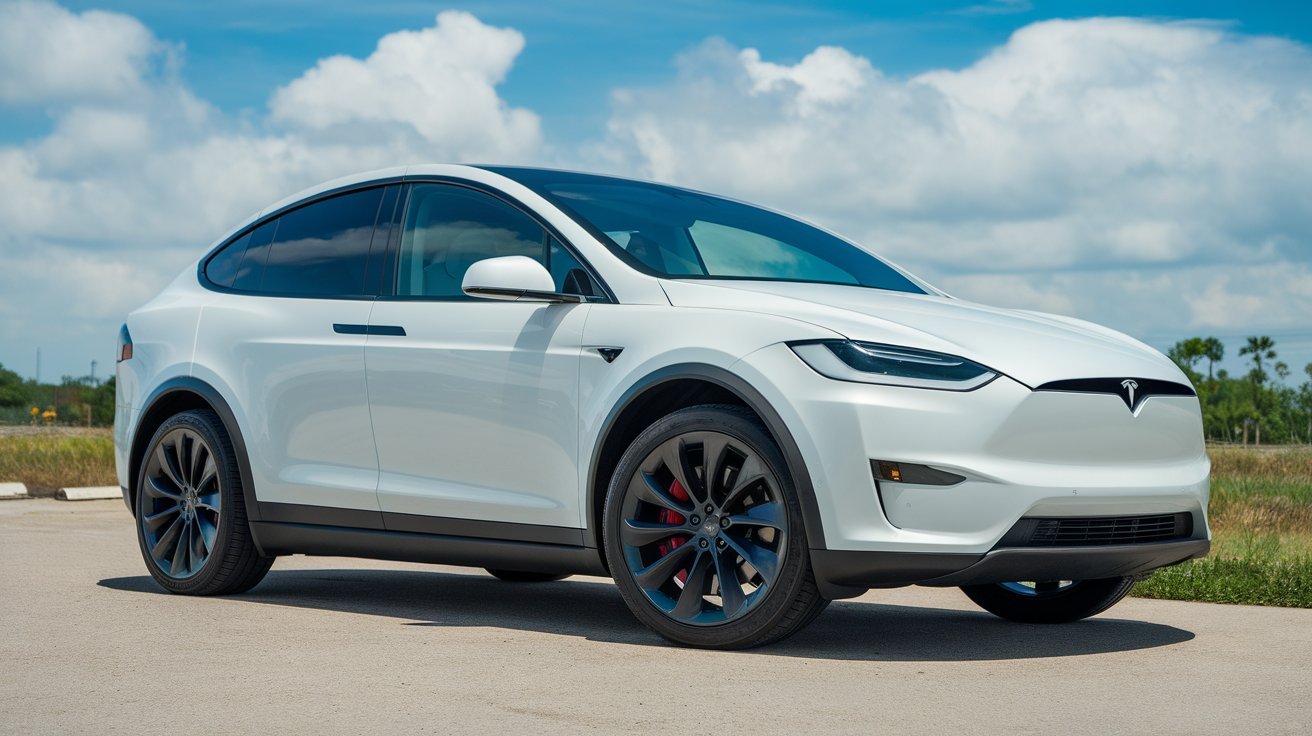
The 2022 Tesla Model X remains one of the most innovative and recognizable electric SUVs ever produced. Known for its futuristic design, remarkable acceleration, advanced technology, and signature Falcon Wing doors, the Model X continues to attract drivers looking for a premium all-electric vehicle that combines luxury, practicality, and performance.
For the 2022 model year, Tesla refined the Model X with a redesigned interior, updated technology, improved battery performance, and enhanced driving capabilities. The result was an electric SUV that delivered exceptional range while offering seating for up to seven passengers and access to Tesla’s extensive charging network. The lineup included the standard Model X and the high-performance Model X Plaid, giving buyers multiple options depending on their priorities.
Whether used as a family SUV, a luxury vehicle, or a high-performance electric machine, the 2022 Tesla Model X remains one of the most talked-about EVs on the road.
Bold Exterior Design and Falcon Wing Doors
One of the most distinctive features of the 2022 Tesla Model X is its futuristic exterior design. Unlike traditional SUVs, the Model X was engineered with aerodynamics and efficiency in mind while maintaining a spacious interior.
Key exterior highlights include:
- Signature Falcon Wing rear doors
- Aerodynamic body design
- Full LED lighting system
- Power liftgate
- Flush door handles
- Large panoramic windshield
- 20-inch or available 22-inch wheels
The Falcon Wing doors remain one of Tesla’s most recognizable innovations. These unique rear doors open upward, providing easier access to the second and third rows in many parking situations. The vehicle’s sleek profile also contributes to its efficiency and driving range.
The Model X combines SUV practicality with a modern appearance that still looks futuristic years after its introduction.
Electric Performance That Redefines SUV Expectations
Performance is one of the biggest strengths of the 2022 Tesla Model X. Unlike many traditional luxury SUVs, the Model X delivers instant electric torque and breathtaking acceleration.
The standard Model X features:
- Dual-motor all-wheel drive
- 670 horsepower
- 0–60 mph in approximately 3.8 seconds
- Top speed around 155 mph
For drivers seeking even greater performance, Tesla offered the Model X Plaid, which features:
- Tri-motor all-wheel drive system
- 1,020 horsepower
- 0–60 mph in approximately 2.5 seconds
- Top speed up to 163 mph
These figures place the Model X among the quickest production SUVs ever built. The instant power delivery of its electric motors provides strong acceleration whether driving in city traffic or on the highway.
Despite its size and weight, the Model X delivers surprisingly agile handling and confident road manners.
Impressive Driving Range and Charging Capability
Range remains one of the most important factors for EV buyers, and the 2022 Tesla Model X performs exceptionally well in this category.
The standard Model X offers an estimated driving range of approximately:
- 348 miles on a full charge
The high-performance Plaid model provides:
- Approximately 333 miles of range
These range estimates make the Model X one of the longest-range electric SUVs available in its class.
Charging options include:
- Tesla Supercharger network
- Home charging solutions
- Wall Connector compatibility
- Fast DC charging capability
Tesla’s extensive Supercharger infrastructure helps reduce range anxiety and allows drivers to travel long distances with greater confidence. The ability to quickly recharge during road trips remains one of Tesla’s strongest advantages.
Luxury Interior and Passenger Comfort
Inside the cabin, the 2022 Tesla Model X showcases Tesla’s minimalist design philosophy. The interior was significantly updated, featuring a cleaner dashboard layout and more advanced digital controls.
Interior highlights include:
- Premium seating materials
- Heated and ventilated front seats
- Heated rear seats
- Three-zone climate control
- Wireless charging
- Large panoramic windshield
- Power-adjustable seating
- Available six- or seven-passenger configurations
Passengers benefit from generous interior space, making the Model X suitable for families and long-distance travel. The available third-row seating expands passenger capacity while maintaining practicality.
The expansive windshield creates an open and airy atmosphere while providing excellent forward visibility.
Advanced Technology and Infotainment Features
Technology has always been a defining characteristic of Tesla vehicles, and the 2022 Tesla Model X continues that tradition.
Major technology features include:
- 17-inch central touchscreen
- Digital driver information display
- Over-the-air software updates
- Navigation system
- Voice controls
- Premium audio system
- Bluetooth connectivity
- Mobile app integration
Tesla’s over-the-air update capability allows the vehicle to receive new features and improvements without visiting a dealership. This approach keeps the vehicle’s software current throughout ownership.
The premium sound system, featuring up to 22 speakers, provides an immersive listening experience that rivals many luxury vehicles.
Safety Features and Driver Assistance Systems
Safety remains a major priority for Tesla. The 2022 Tesla Model X includes numerous driver-assistance technologies and safety systems designed to enhance awareness and reduce collision risks.
Safety features include:
- Automatic emergency braking
- Forward collision warning
- Lane-keeping assistance
- Blind-spot monitoring
- Adaptive cruise control
- Parking sensors
- Multiple cameras
- Driver attention monitoring
Tesla Vision technology utilizes cameras and advanced processing systems to assist with visibility, parking, and accident avoidance functions. The vehicle’s low-mounted battery pack also contributes to a lower center of gravity, improving stability and rollover resistance.
These features help make the Model X one of the most technologically advanced SUVs available.
Practicality, Cargo Space, and Towing Capacity
Beyond performance and technology, the 2022 Tesla Model X is also a highly practical SUV.
Key utility features include:
- Large cargo area
- Fold-flat seating
- Front trunk (frunk) storage
- Multiple seating configurations
- Maximum cargo capacity exceeding 90 cubic feet
- Towing capacity up to 5,000 pounds
The combination of rear cargo space and front trunk storage provides excellent versatility for families, travelers, and outdoor enthusiasts. Drivers can transport luggage, sports equipment, groceries, and other large items with ease.
Its towing capability further increases usefulness, allowing owners to tow small trailers, boats, and recreational equipment.
Why the 2022 Tesla Model X Remains Popular
Several years after its release, the 2022 Tesla Model X remains highly desirable because it successfully combines luxury, performance, technology, and practicality.
Major strengths include:
- Exceptional electric range
- Ultra-fast acceleration
- Advanced software features
- Premium interior comfort
- Distinctive Falcon Wing doors
- Strong safety technologies
- Large cargo capacity
- Access to Tesla Superchargers
The Model X offers a unique ownership experience that few competitors can match.
Conclusion
The 2022 Tesla Model X continues to stand out as one of the most advanced electric SUVs ever produced. With its long driving range, impressive acceleration, premium interior, innovative technology, and family-friendly practicality, it remains a benchmark in the luxury EV segment.
Whether choosing the standard dual-motor version or the incredible 1,020-horsepower Plaid model, buyers receive a vehicle that delivers performance, efficiency, and innovation in one remarkable package. For drivers seeking a premium all-electric SUV that excels in nearly every category, the 2022 Tesla Model X remains an outstanding choice.
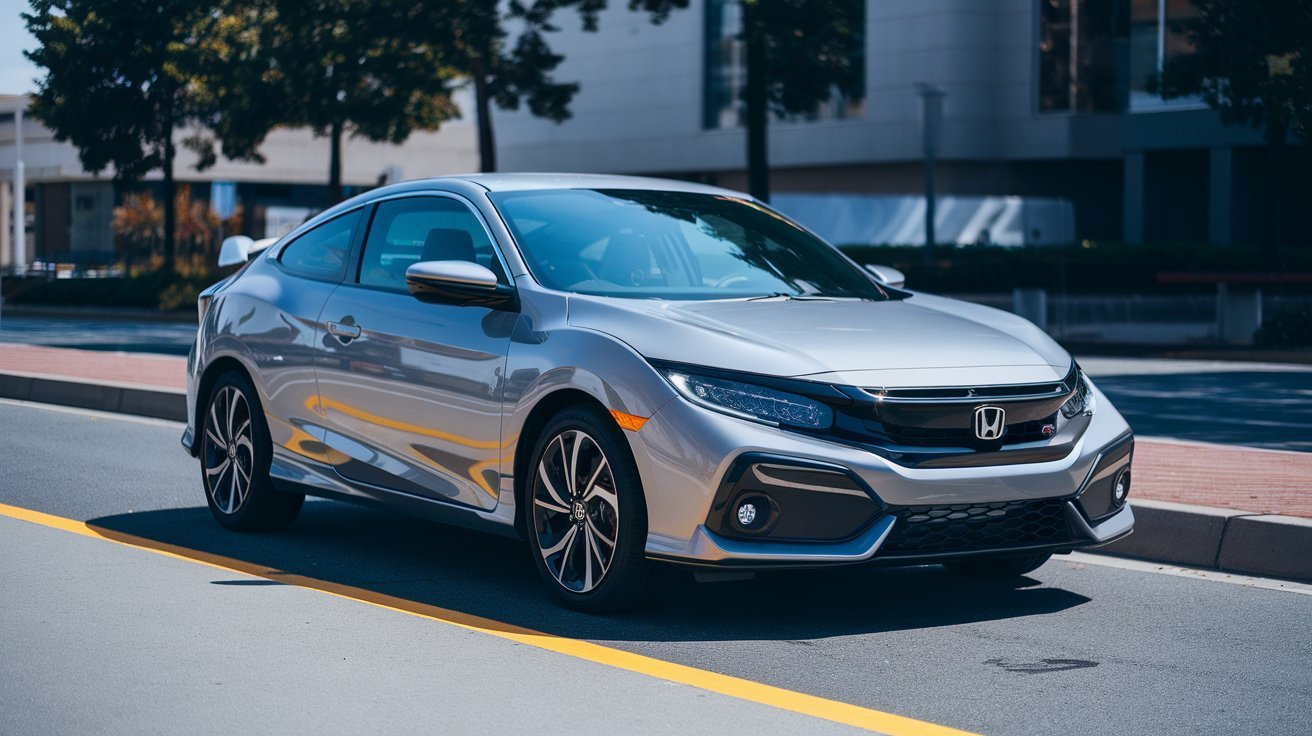
The Honda Civic Si Coupe remains an important part of Honda’s performance-car history, combining the practicality of the Civic platform with a stronger engine, manual transmission, sport-tuned chassis, and distinctive styling. Although the Civic Si Coupe is no longer part of Honda’s current North American lineup, used examples continue to attract enthusiasts who want a relatively affordable front-wheel-drive performance coupe with a strong aftermarket and an engaging driving experience.
For buyers researching the Honda Civic Si Coupe in 2026, understanding the different generations is particularly important. Later examples received turbocharged engines and modern technology, while earlier cars are known for naturally aspirated engines and high-revving character. The ninth-generation Si Coupe, for example, used a 2.4-liter four-cylinder producing up to 205 horsepower and 174 lb-ft of torque, while the 2019 Si Coupe used a 1.5-liter turbocharged engine producing 205 horsepower and 192 lb-ft of torque.
Honda Civic Si Coupe History and Evolution
The Civic Si name has a long history of bringing performance-oriented equipment to Honda’s compact-car lineup. The Civic Si Coupe became particularly popular among drivers looking for an accessible manual sports car that could also be used for everyday transportation.
The ninth-generation Civic Si Coupe, sold during the 2013–2016 period, represented a distinctive stage in that evolution. Early versions produced 201 horsepower and 170 lb-ft of torque, while Honda subsequently revised the exhaust and engine calibration, raising output to 205 horsepower and 174 lb-ft.
For the 2014 model year, Honda also gave the Si Coupe additional styling changes, including a more aggressive front and rear appearance, larger 18-inch wheels, and Si-specific exterior details. The revised exhaust system contributed to the increase in engine output.
The next major step arrived with the tenth-generation Civic Si. Instead of the naturally aspirated 2.4-liter engine, the Si adopted a 1.5-liter turbocharged and intercooled four-cylinder engine. The 2019 model, for example, delivered 205 horsepower and 192 lb-ft of torque.
Honda Civic Si Coupe Engine and Performance
One of the biggest differences between Civic Si Coupe generations is the engine character.
The 2015 Honda Civic Si Coupe, for example, used a 2.4-liter naturally aspirated four-cylinder engine producing 205 horsepower at 7,000 rpm and 174 lb-ft of torque at 4,400 rpm. It was paired exclusively with a six-speed manual transmission and front-wheel drive. A helical limited-slip differential was also part of the performance package.
This configuration gives the ninth-generation car a traditional naturally aspirated performance personality. Drivers need to work with the manual gearbox and engine’s rev range to extract its performance, making it particularly appealing to enthusiasts who enjoy an involved driving experience.
The later 2019 Civic Si Coupe moved to a smaller turbocharged engine. Its 1.5-liter turbo four-cylinder produced 205 horsepower and 192 lb-ft of torque, with maximum torque available from a much lower engine speed than the older naturally aspirated engine. It also retained a six-speed manual transmission and helical limited-slip differential.
The turbocharged model therefore delivers a different type of performance, emphasizing stronger low- and mid-range torque while maintaining the manual-transmission experience that defines the Si.
Six-Speed Manual Transmission and Limited-Slip Differential
A major attraction of the Honda Civic Si Coupe is its commitment to the manual transmission. Unlike ordinary Civic models that could be equipped with automatic or continuously variable transmissions, the Si was designed around driver involvement.
The six-speed manual gearbox gives drivers direct control over engine speed and acceleration. The helical limited-slip differential is equally significant because it helps manage torque between the front wheels during acceleration.
For enthusiasts, this combination is more than a specification-sheet feature. It contributes to the way the car behaves when accelerating out of corners, particularly when traction becomes important.
Honda’s 2019 specifications list the six-speed manual transmission, helical limited-slip differential, sport-tuned suspension, adaptive dampers, and a two-mode drive system among the Civic Si Coupe’s performance equipment.
Interior, Technology, and Everyday Usability
Although the Civic Si Coupe emphasizes performance, it remains based on the Civic, which means practicality is part of its appeal. The coupe body provides two doors while still offering seating for five in certain model specifications.
The 2015 Si Coupe, for example, provided 11.7 cubic feet of cargo capacity and seating for five according to Edmunds’ specifications.
Later models brought more modern connectivity and convenience equipment. The 2019 Civic Si Coupe included features such as a premium audio system, Apple CarPlay and Android Auto compatibility, a leather-wrapped steering wheel, sport pedals, and Si-specific displays.
The interior design also reinforces the performance theme. Sport seats, red stitching, an aluminum shift knob, and aluminum-trimmed pedals help distinguish the Si from ordinary Civic versions.
This combination makes the Si interesting as both an enthusiast vehicle and an everyday car. Owners can enjoy manual driving on winding roads while retaining useful cabin space and everyday Civic practicality.
Honda Civic Si Coupe Styling and Exterior Features
The Civic Si Coupe has traditionally been easy to distinguish from a standard Civic. Sportier bumpers, spoilers, larger wheels, special badging, and other aerodynamic details give it a more aggressive appearance.
The ninth-generation facelift brought several visual updates. Honda added a revised front bumper, updated rear styling, new side mirrors, and new wheel designs. The Si Coupe received additional performance-oriented styling elements, including a distinctive lower front bumper garnish, larger rear spoiler, front spoiler, and rear diffuser-style treatment.
The 2019 Si Coupe continued the formula with 18-inch wheels, sport-oriented exterior details, and a center outlet exhaust. Honda’s official materials also list LED headlights and fog lights among its equipment.
Because the coupe body style is no longer offered in the current Civic lineup, these older Si Coupes have a distinctive place in the used-car market.
What to Check When Buying a Used Civic Si Coupe in 2026
Anyone considering a used Honda Civic Si Coupe should focus on condition rather than simply choosing the newest or lowest-priced example.
The first priority should be the maintenance history. A documented service record can provide valuable information about oil changes, clutch work, suspension maintenance, brakes, tires, and previous repairs.
We should also inspect the manual transmission and clutch carefully. A test drive should include smooth starts, acceleration through multiple gears, and operation of the clutch without excessive slipping or unusual noises.
The engine compartment should be inspected for leaks, damaged components, or signs of poor modifications. Modified Si models are common, so buyers should determine whether aftermarket parts were professionally installed and whether the original components are available.
On turbocharged examples, we should pay particular attention to the condition of the turbocharged powertrain and verify that maintenance has been performed according to the vehicle’s requirements.
A pre-purchase inspection by a qualified mechanic can reveal problems that are difficult to identify during a short test drive.
Honda Civic Si Coupe vs. Sedan and Newer Civic Si Models
The Civic Si Coupe differs from the Si Sedan primarily in body style and availability. During the ninth-generation era, Honda offered both coupe and sedan versions, giving buyers a choice between two-door styling and four-door practicality. The tenth-generation Si was also offered as both a coupe and sedan for part of its production run.
For buyers in 2026, availability is an important consideration because the Civic Si Coupe is a used vehicle rather than a current new-car option. Honda’s later Civic Si strategy moved away from the coupe configuration.
This makes the used Si Coupe particularly relevant to enthusiasts searching for a manual performance coupe rather than simply a newer Civic.
Frequently Asked Questions About the Honda Civic Si Coupe
Is the Honda Civic Si Coupe still made?
No. The Civic Si Coupe is not part of Honda’s current North American Civic lineup, so buyers in 2026 will generally be shopping for a used example.
How much horsepower does the Civic Si Coupe have?
Power depends on the model year. Later ninth-generation cars produced 205 horsepower, while the 2019 Si Coupe also produced 205 horsepower from its 1.5-liter turbocharged engine.
Does the Civic Si Coupe have a manual transmission?
Yes. The Si Coupe was equipped with a six-speed manual transmission, one of its defining performance characteristics.
Is the Civic Si Coupe front-wheel drive?
Yes. The Civic Si Coupe uses front-wheel drive. The combination of front-wheel drive, a manual transmission, and a helical limited-slip differential forms the foundation of its performance setup.
Which engine does the 2019 Civic Si Coupe use?
The 2019 model uses a 1.5-liter turbocharged and intercooled four-cylinder engine producing 205 horsepower and 192 lb-ft of torque.
Conclusion
The Honda Civic Si Coupe occupies a distinctive position in Honda’s performance history. It combines the Civic’s everyday usability with a manual transmission, sport-tuned chassis, limited-slip differential, stronger engines, and coupe styling.
The ninth-generation cars offer a naturally aspirated 2.4-liter engine and 205 horsepower, while later tenth-generation examples introduced a 1.5-liter turbocharged engine with 205 horsepower and 192 lb-ft of torque.
For 2026 buyers, the most important considerations are model year, maintenance history, mechanical condition, originality, clutch and transmission condition, and the quality of previous modifications. With careful research and a thorough inspection, the Civic Si Coupe can remain an appealing choice for drivers looking for an engaging used performance coupe with genuine Honda engineering behind it.

Sai Ram: Meaning, Spiritual Significance, Greeting and Importance in 2026

2022 Tesla Model X: Complete Guide to Performance, Range, Features, and Ownership

You Tube Country Music: The Complete Guide to Discovering, Streaming, and Enjoying Country Music in 2026

Best Empanada Tucumana Near Me: The Ultimate 2026 Guide to Finding Authentic Argentine Empanadas

Marcy Wudarski: Everything You Need to Know About James Gandolfini’s First Wife

Brent Power: A Complete Guide to Understanding Its Meaning, Importance, and Modern Applications
 Food2 months ago
Best Empanada Tucumana Near Me: The Ultimate 2026 Guide to Finding Authentic Argentine Empanadas
- News2 months ago
Marcy Wudarski: Everything You Need to Know About James Gandolfini’s First Wife
- celebrity2 months ago
Brent Power: A Complete Guide to Understanding Its Meaning, Importance, and Modern Applications
- celebrity2 months ago
Matewa Kiritapu: Everything You Need to Know
- celebrity2 months ago
Marie-France Ward: A Complete Biography, Career, Life Story, and Legacy
- Food2 months ago
Best Tarta de Pollo Near Me: The Ultimate 2026 Guide to Finding Authentic Chicken Pie
- Tech2 months ago
Almawadahit.com Tech: The Complete 2026 Guide to Technology News, Digital Trends, Reviews, and Online Resources
- celebrity2 months ago
Viva Street Croydon: The Complete 2026 Guide to Buying, Selling, Jobs, and Local Deals